Poodle Breed

Toy vs Miniature vs Standard Poodle: Which Is Right for You?

By Victor

Choosing a Poodle often feels like navigating a delightful maze, especially when faced with the three distinct sizes: Toy, Miniature, and Standard. While all Poodles share that iconic curly coat, keen intelligence, and elegant demeanor, their differences in size directly impact their energy levels, exercise needs, ideal living situations, and even some health predispositions. Understanding these variations is crucial for any potential owner looking to find the perfect Poodle companion to fit their lifestyle. This guide will explore each size in depth, offering clear comparisons to help you make an informed decision about which Poodle is right for you.

The Enduring Legacy of the Poodle Breed

Poodles are far more than just pretty faces with fancy haircuts. They boast a rich history, believed to have originated in Germany as water retrievers, hence their name “Pudel” (meaning “to splash in the water”). Their distinctive coat, which is virtually non-shedding, was originally clipped in specific ways to aid in swimming, protecting vital organs while reducing drag.

This working background highlights their intelligence, agility, and eagerness to please, traits that remain prominent across all Poodle sizes today.

Over centuries, Poodles became cherished companions and performers, particularly in France, where they earned their reputation for sophistication. Selective breeding eventually led to the development of the smaller varieties from the original Standard Poodle.

Each size was developed to serve different purposes, from hunting waterfowl to being lap warmers for nobility, all while retaining the core Poodle characteristics. Their adaptability and charm have cemented their place as one of the most beloved dog breeds worldwide.

The Majestic Standard Poodle: A Noble Companion

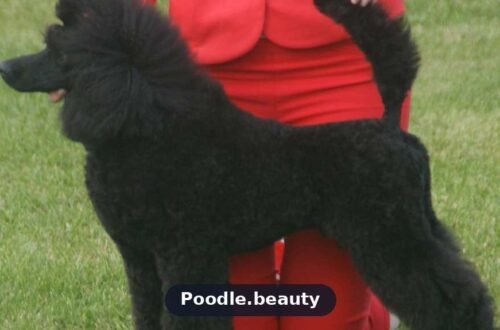
The Standard Poodle is the largest and arguably the original size, radiating an air of dignified grace. These impressive dogs stand over 15 inches tall at the shoulder and typically weigh between 40 to 70 pounds, though some can be larger.

Their substantial size means they require ample space and a family committed to providing consistent training and engagement.

Toy vs Miniature vs Standard Poodle: Which Is Right for You?

Despite their elegant appearance, Standard Poodles are robust and athletic. They excel in various canine sports, including agility, obedience, and even dock diving. Their intelligence is legendary, making them highly trainable and eager learners, but this also means they need mental stimulation to prevent boredom.

A bored Standard Poodle can become a mischievous one, often finding creative ways to entertain themselves if left to their own devices.

The Miniature Poodle: Compact Charm and Intelligence

Stepping down in size, the Miniature Poodle offers a fantastic balance between the robustness of a Standard and the portability of a Toy. Miniatures stand between 10 and 15 inches tall at the shoulder and generally weigh 10 to 15 pounds.

This makes them a versatile choice, comfortable in apartments with sufficient exercise, yet sturdy enough for active families.

Miniature Poodles possess the same sharp mind and playful spirit as their larger counterparts. They are highly intelligent and respond well to positive reinforcement training.

Their moderate size makes them easier to manage on walks and during travel compared to a Standard, but they still require a good amount of daily activity to stay happy and healthy. Many Miniature Poodles thrive in dog sports and make excellent therapy dogs.

The Toy Poodle: Pocket-Sized Personality

The smallest of the trio, the Toy Poodle, is a true “lap dog” with a surprisingly big personality. These delightful companions stand no more than 10 inches tall at the shoulder and typically weigh between 4 to 6 pounds.

Their diminutive size makes them ideal for apartment living and for individuals who prefer a canine companion that is easy to carry and manage.

Toy Poodles are full of spunk and charm. They are highly affectionate and thrive on close companionship with their human families. Despite their small stature, they are intelligent and eager to learn, often surprising people with their quick wit and ability to pick up tricks.

They do require careful handling due to their delicate bones, making them less suitable for homes with very young, boisterous children.

Toy Vs Miniature Vs Standard Poodle: A Head-to-Head Comparison

Deciding between a Toy, Miniature, or Standard Poodle involves carefully considering several factors that extend beyond just physical size. Each variety brings its own set of characteristics that may align better with certain lifestyles, living arrangements, and family dynamics.

This direct comparison will highlight the practical implications of their differences, helping prospective owners identify which Poodle size is the best fit for them. Understanding these nuances is key to a harmonious relationship with your new furry friend.

Key Differences in Size and Weight

The most obvious distinction among the Poodle varieties lies in their physical dimensions. Standard Poodles, the largest, offer a robust and athletic presence, typically standing over 15 inches at the shoulder and weighing 40-70 pounds.

Their size demands more living space and a stronger owner for leash handling. They are less prone to being accidentally injured by small bumps or falls, making them generally more resilient in active households.

Miniature Poodles provide a convenient mid-range option, measuring 10-15 inches tall and weighing 10-15 pounds. This size makes them highly adaptable, fitting well into many different living situations, from spacious homes to larger apartments.

They are still sturdy enough to enjoy rough-and-tumble play but are also manageable for travel and daily walks. Their weight is easy to handle, and they are less fragile than their smaller cousins.

Toy Poodles are the smallest, standing under 10 inches and weighing a mere 4-6 pounds. Their delicate build necessitates careful handling, especially around young children or larger pets. They are perfectly suited for apartment living and make excellent travel companions due to their compact size.

However, their small stature also means they are more vulnerable to accidental injuries, requiring owners to be constantly mindful of their surroundings.

Temperament and Personality Traits Across Sizes

While all Poodles share a reputation for intelligence and elegance, subtle differences in temperament can sometimes be observed between the sizes. Standard Poodles are generally known for their calm, dignified, and somewhat reserved nature, though they are also highly playful and affectionate with their families.

They tend to be very loyal and form strong bonds, often acting as gentle guardians of their home. Their confidence and steady demeanor make them excellent family dogs.

Miniature Poodles often exhibit a lively and spirited personality. They are typically outgoing, playful, and curious, possessing a zest for life that is infectious. Their moderate size allows them to be agile and energetic without being overwhelming.

They adapt well to various social situations and enjoy being involved in family activities. Miniature Poodles maintain the intelligence of the breed, making them quick learners and engaging companions.

Toy Poodles, despite their small size, often have the biggest personalities. They can be quite feisty, bold, and demand attention, often unaware of their own diminutive stature.

They are incredibly affectionate and thrive on being close to their owners, often becoming true “velcro dogs.” While charming, their strong personalities mean they still require consistent training and socialization to prevent them from becoming overly bossy or yappy. They are devoted companions who adore being pampered.

Exercise Needs and Activity Levels

The exercise requirements for Poodles vary significantly with their size. Standard Poodles, being the largest and most athletic, need substantial daily exercise to stay physically and mentally fit. This typically includes at least one long walk or run, lasting 30-60 minutes, along with playtime and mental challenges. They thrive on activities like hiking, swimming, and participating in dog sports. Without adequate exercise, a Standard Poodle can become restless and destructive.

Miniature Poodles have moderate exercise needs. They generally require 20-30 minutes of brisk walking or active playtime each day. Their energy levels are manageable for most families, and they enjoy games of fetch, short runs, and training sessions. They are adaptable and can be content with indoor play combined with outdoor strolls, but they still benefit greatly from opportunities to run and explore in a safe, fenced area.

Toy Poodles have the lowest exercise requirements, making them ideal for individuals with limited mobility or those living in smaller spaces. A couple of short walks around the block or spirited indoor play sessions, totaling about 15-20 minutes a day, are usually sufficient. Despite their small size, they are still Poodles and enjoy mental stimulation through puzzle toys and short training sessions. It’s important not to underestimate their need for mental engagement, even if their physical demands are low.

Grooming Requirements: Are They All the Same?

All Poodles, regardless of size, share the same distinctive, non-shedding coat that requires regular and consistent grooming. This means brushing several times a week to prevent mats and tangles, along with professional grooming every 4-6 weeks.

While the type of coat is the same, the sheer volume of coat differs, which impacts the time and cost involved. A Standard Poodle’s coat takes considerably longer to brush and clip than a Toy Poodle’s.

Owners of Standard Poodles should be prepared for significant grooming time and expense. Their large size means more hair to maintain, requiring longer brushing sessions and higher professional grooming fees. This commitment is non-negotiable for the health and comfort of the dog.

Miniature Poodles have a more manageable amount of coat. While still requiring regular brushing and professional trims, the time commitment for daily care is less than a Standard. This makes them a good option for owners who want the Poodle look but prefer a slightly less intensive grooming routine.

Toy Poodles, with their small stature, are the quickest to groom at home and often have lower professional grooming costs due simply to their size. However, their coat still mats easily, so consistent brushing remains essential. Their small size makes them easier to bathe and dry at home if owners choose to do so between professional appointments.

Health Considerations and Lifespan by Poodle Size

Poodles are generally a healthy breed, but like all purebreds, they can be predisposed to certain genetic conditions. The lifespan for all Poodle sizes is quite good, typically ranging from 10 to 18 years, with smaller Poodles often living longer than larger ones. However, specific health concerns can vary by size.

Standard Poodles, due to their larger size, are more prone to conditions such as bloat (gastric dilatation-volvulus), hip dysplasia, and Addison’s disease. They may also be susceptible to certain cancers and sebaceous adenitis, a skin condition.

Regular veterinary check-ups and a high-quality diet are crucial for managing these risks. The American Kennel Club provides valuable resources on breed-specific health issues. Learn more about the Standard Poodle breed standard and health.

Miniature Poodles share some health concerns with Standards but also have their own predispositions. They can be prone to patellar luxation (slipped kneecaps), progressive retinal atrophy (PRA), and Legg-Calve-Perthes disease. Epilepsy and thyroid issues are also seen in the breed. Responsible breeders screen for these conditions to minimize their occurrence.

Toy Poodles, being the smallest, are more susceptible to conditions common in small breeds. These include patellar luxation, Legg-Calve-Perthes disease, and dental problems due to their small mouths. They can also be prone to tracheal collapse and certain eye conditions.

Their delicate bones mean they are at higher risk for fractures from falls or accidental treading. Regular dental care is especially important for Toy Poodles to prevent periodontal disease. Consulting with a veterinarian about preventative care is always a good idea. Find more information on Toy Poodle health from PetMD.

Choosing the Right Poodle for Your Lifestyle

Selecting the ideal Poodle size requires an honest assessment of your living situation, activity level, and expectations for a canine companion. If you have a spacious home with a yard, enjoy an active outdoor lifestyle, and are prepared for significant grooming and training, a Standard Poodle could be an excellent match. They thrive with consistent engagement and make loyal, intelligent partners for adventurous families.

For those seeking a versatile companion that can adapt to various environments, including apartments (with regular exercise), a Miniature Poodle offers a superb compromise.

They are energetic enough for outdoor activities but content with indoor play, making them suitable for moderate activity levels. Their size is manageable, and they bring all the Poodle charm without the larger demands of a Standard.

If you live in a smaller space, desire a true lap dog, or have limited mobility, the Toy Poodle might be your perfect fit. They are devoted companions who thrive on close human interaction and require minimal outdoor exercise.

However, their fragility and potential for a “big dog” personality in a tiny body mean they need consistent training and gentle handling. They are ideal for individuals or couples who can provide constant companionship and a safe environment.

Training and Socialization: What to Expect

Regardless of size, Poodles are highly intelligent and eager to please, making them generally easy to train. However, their intelligence also means they can quickly learn bad habits if not properly guided. Early socialization is crucial for all Poodle sizes to ensure they grow into well-adjusted adults.

Exposing them to various sights, sounds, people, and other friendly dogs from a young age helps prevent timidity or reactivity.

Standard Poodles benefit immensely from early obedience classes. Their size and strength mean that good manners are not just desirable but necessary for a harmonious household. Their sharp minds make them excel in advanced training and canine sports, providing an excellent outlet for their energy and intellect. Consistent, positive reinforcement methods work best.

Miniature Poodles are also highly trainable and enjoy learning. Their compact size makes them easier to manage during training sessions, and they respond well to reward-based methods. They thrive on mental challenges and can quickly master a wide array of commands and tricks. Early socialization helps them feel confident and comfortable in new situations.

Toy Poodles, despite their small stature, need just as much training and socialization as their larger relatives. Owners sometimes overlook training for small dogs, which can lead to behavioral issues like excessive barking or “small dog syndrome.” Consistent house-training, leash manners, and basic obedience are vital for a well-behaved Toy Poodle. Puppy classes are highly recommended to build their confidence and teach appropriate social skills.

Living with Poodles: Space and Environment

The ideal living environment for a Poodle largely depends on its size. Standard Poodles require ample space, ideally a home with a securely fenced yard where they can run and play. They are not suited for cramped apartment living unless their owners are committed to providing extensive daily outdoor exercise. Their sheer size means they can easily knock over small objects or people if they get too boisterous indoors.

Miniature Poodles are adaptable and can thrive in various settings. They do well in apartments or smaller homes, provided they receive regular walks and mental stimulation. A small yard is a bonus, but not strictly necessary if their exercise needs are met through outdoor excursions. Their moderate size makes them less likely to cause accidental damage indoors compared to a Standard.

Toy Poodles are perfectly suited for apartment living or homes without a yard. Their minimal exercise needs can often be met with indoor play and short walks. They are sensitive to extreme temperatures, so being primarily an indoor dog is essential for their well-being. Owners must ensure their home is safe for a tiny dog, guarding against potential hazards like open doors, stairs, or large furniture they could fall from.

Are Poodles good family dogs, regardless of size?

Absolutely, Poodles are renowned for being excellent family dogs across all three sizes, though their suitability can depend on the specific family dynamics and lifestyle. Their high intelligence, eager-to-please nature, and generally affectionate temperaments make them wonderful companions.

Standard Poodles, with their calm and patient demeanor, often do well with older, respectful children who understand how to interact with a large dog. They can be incredibly gentle and protective. Miniature Poodles are fantastic for active families, offering a playful and sturdy companion that can keep up with children while still being manageable in size.

They’re often seen as the “best of both worlds.” Toy Poodles, while affectionate, are best suited for families with older, gentle children due to their delicate build. They thrive on being the center of attention and can form deep bonds with their human family members, but their small size makes them vulnerable to accidental injury from rough play.

Regardless of size, early socialization and consistent training are key to ensuring any Poodle integrates smoothly into a family environment, learning good manners and appropriate interactions with all members, including kids and other pets. Supervision is always important, especially when introducing any dog to children, to teach both how to respect each other’s boundaries.

Do Poodles of different sizes have varying grooming needs or coat types?

While the fundamental coat type for all Poodle sizes is the same – a dense, curly, non-shedding, and hypoallergenic-friendly single coat – the practicalities of grooming do vary significantly. All Poodles require regular brushing, typically several times a week, to prevent matting, which can be painful and lead to skin infections.

They also need professional grooming every 4 to 6 weeks for clipping and styling. The primary difference lies in the sheer volume of coat and the time commitment involved. A Standard Poodle, being the largest, has the most hair, meaning brushing sessions take longer, and professional grooming appointments are more extensive and costly. Their size also makes them harder to bathe and dry at home. Miniature Poodles offer a more manageable grooming routine; their coat is still substantial but takes less time to brush and groom than a Standard.

Toy Poodles, due to their small size, are the quickest to brush and typically incur lower professional grooming costs. However, their tiny size doesn’t make them immune to matting, so consistent daily or every-other-day brushing is still essential. Owners must be prepared for this ongoing commitment, as neglecting a Poodle’s coat can lead to severe matting, discomfort, and potentially costly veterinary interventions to shave down the dog. Regular grooming also serves as an excellent opportunity to check for skin issues or parasites.

Are there any specific training considerations unique to each Poodle size?

While all Poodles share remarkable intelligence and trainability, certain considerations apply uniquely to each size. For Standard Poodles, their size and strength mean that early and consistent obedience training is paramount.

A large, untrained dog can be difficult to manage, so teaching leash manners, recall, and basic commands from puppyhood is essential for safety and good behavior. Their high energy and intellect also mean they benefit greatly from advanced training, canine sports, or even therapy work, which provides mental stimulation and a positive outlet for their drive.

Miniature Poodles, while highly intelligent, can sometimes have a slightly more independent streak or be prone to “selective hearing” if training isn’t engaging. Their moderate size makes them easier to handle physically during training, but consistency is still key. They excel in agility and obedience, loving the challenge and interaction. Toy Poodles, despite their tiny stature, require just as much, if not more, dedicated training.

It’s common for owners to inadvertently neglect training small dogs, leading to “small dog syndrome” where they become yappy, bossy, or untrained in house manners. House-training a Toy Poodle can sometimes take longer due to their small bladders, requiring more frequent potty breaks. Positive reinforcement and patient consistency are crucial for all sizes, but especially for Toy Poodles to prevent behavioral issues and ensure they grow into confident, well-adjusted companions.

Always focus on rewarding desired behaviors rather than punishing mistakes.

What are the typical dietary needs and health risks for each Poodle variety?

Dietary needs for Poodles generally align with their size and activity level. All Poodles thrive on a high-quality, balanced diet formulated for their life stage (puppy, adult, senior). Standard Poodles, being larger and more active, require more calories and protein to support their muscle mass and energy needs.

They are also more susceptible to bloat, a life-threatening condition, so feeding smaller, more frequent meals and using slow-feeder bowls can help. Miniature Poodles need a diet appropriate for medium-sized active dogs, ensuring they maintain a healthy weight to prevent issues like patellar luxation. Toy Poodles have the smallest stomachs and lowest caloric needs; overfeeding can quickly lead to obesity, which exacerbates joint problems and other health issues.

Small breed-specific formulas are often beneficial for their tiny kibble size and calorie density. Regarding health risks, Standard Poodles are prone to hip dysplasia, Addison’s disease, and certain cancers. Miniature Poodles may face patellar luxation, progressive retinal atrophy (PRA), and Legg-Calve-Perthes disease.

Toy Poodles are susceptible to many small breed issues, including dental disease (due to crowded teeth), tracheal collapse, and luxating patellas. Regular veterinary check-ups, appropriate vaccinations, and preventative care are essential for all Poodle sizes.

Responsible breeders screen their dogs for genetic conditions, and choosing a reputable breeder can significantly reduce the risk of inherited health problems. The American Veterinary Medical Association offers insights into common orthopedic conditions like hip dysplasia.

How do the different Poodle sizes adapt to various living situations, like apartments or homes with yards?

The adaptability of Poodles to different living situations is heavily influenced by their size. Standard Poodles, with their larger stature and higher energy levels, are generally best suited for homes with a spacious, securely fenced yard where they can run and play freely.

While they can adapt to apartment living, it requires an extremely dedicated owner committed to providing multiple long walks, runs, or trips to a dog park daily, along with mental stimulation to prevent boredom and destructive behaviors. Their size means they can easily feel cramped in small spaces and may inadvertently knock things over.

Miniature Poodles are highly adaptable and make excellent companions for a wide range of living situations, including apartments or smaller homes, provided their exercise needs are met. They are active enough to enjoy outdoor adventures but also content to relax indoors. A small yard is a bonus, but not a necessity if daily walks and indoor play are consistent.

Their moderate size makes them easy to manage in public and during travel. Toy Poodles are perfectly suited for apartment living and smaller homes. Their minimal exercise requirements can often be satisfied with indoor play sessions and short walks around the block. They are sensitive to extreme temperatures, so being primarily an indoor dog is crucial for their health and comfort.

Owners of Toy Poodles must ensure their living space is safe, free from hazards like open doors, stairs, or furniture from which they could fall and injure themselves due to their delicate bones. Ultimately, a Poodle’s happiness in any environment depends more on the owner’s commitment to meeting its needs than the size of the living space itself.

Conclusion: Finding Your Perfect Poodle Match

Choosing between a Toy, Miniature, or Standard Poodle is a significant decision that impacts many aspects of your life together. Each size offers the undeniable charm, intelligence, and elegance that define the Poodle breed, yet they come with distinct needs and characteristics.

Whether you dream of a majestic companion for outdoor adventures, a versatile and spirited partner, or a tiny, devoted lap dog, there is a Poodle size perfectly suited for almost every lifestyle.

Take time to honestly assess your living situation, activity level, and the amount of time you can commit to grooming, training, and exercise. A Standard Poodle thrives in active homes with space, a Miniature fits well into many family dynamics, and a Toy Poodle is ideal for those seeking a delicate, affectionate companion in a smaller setting. By understanding these differences, you can confidently welcome the right Poodle into your home, ensuring a happy and fulfilling life for both of you.

3 Comments on “Toy vs Miniature vs Standard Poodle: Which Is Right for You?

Leave a Reply

Your email address will not be published. Required fields are marked *