Dreaming of a loyal, intelligent, and undeniably elegant canine companion? The Toy Poodle consistently captures hearts with its spirited personality and distinctive appearance. This comprehensive guide delves into every aspect of owning one of these delightful dogs, offering crucial insights for both prospective and current owners.
Understanding the unique needs and characteristics of a Toy Poodle is essential for ensuring a happy and healthy life together. This guide provides all the in-depth information you’ll need, from their fascinating history to daily care requirements and common health considerations.
What Makes the Toy Poodle So Special?
Beyond their iconic curly coats, Toy Poodles are renowned for a combination of traits that set them apart. Their small stature belies a big personality, making them captivating pets.
A Glimpse into Their History and Origins
The Poodle breed, originating in Germany as water retrievers, boasts a rich history. While the Standard Poodle was the original size, selective breeding eventually led to the Miniature and then the even smaller Toy Poodle, primarily for companionship in aristocratic circles. They have long been cherished for their intelligence and elegant demeanor.
Despite their refined appearance today, their working dog heritage is evident in their keen minds and active spirits. Their transition from hunting companions to lapdogs highlights their adaptability and desire to please.
Defining Characteristics: Size, Coat, and Colors
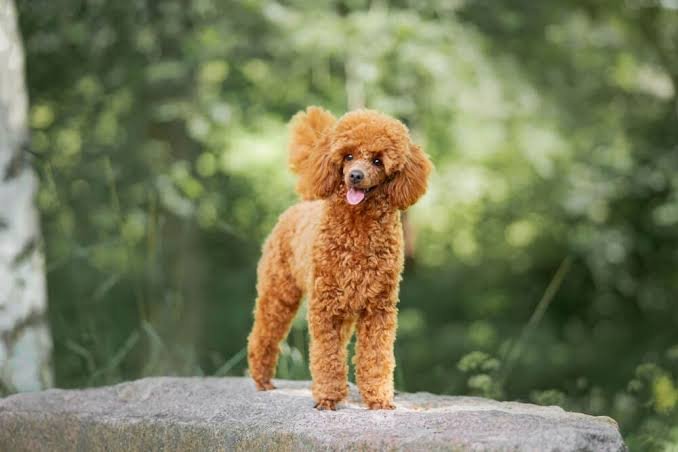
Toy Poodles are the smallest of the Poodle varieties. They typically stand no more than 10 inches tall at the shoulder and usually weigh between 4 to 6 pounds. Their compact size makes them ideal for apartment living or smaller homes.
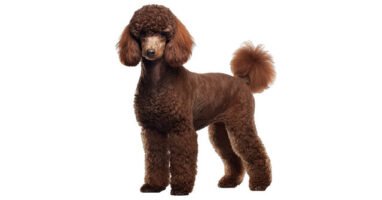
Their signature coat is dense, curly, and non-shedding, which is excellent for allergy sufferers. This coat comes in a vast array of solid colors, including black, white, apricot, cream, silver, and brown, each adding to their unique charm.
Temperament and Personality: More Than Just a Pretty Face
A Toy Poodle’s personality is often described as vivacious, affectionate, and incredibly smart. They form strong bonds with their families and thrive on interaction.
Intelligence and Trainability
Poodles are consistently ranked among the most intelligent dog breeds, and the Toy Poodle is no exception. Their sharp minds make them highly trainable and eager to learn new tricks and commands. Consequently, they excel in obedience, agility, and other dog sports.
Early training is vital to channel their intelligence constructively. They respond exceptionally well to positive reinforcement methods, such as treats, praise, and play.
Affectionate and Loyal Companions
These tiny dogs are true companions, often described as “velcro dogs” due to their desire to be close to their owners. They thrive on human companionship and can become deeply attached to their families. Therefore, they are not suited to being left alone for extended periods.
Their loyal nature makes them wonderful family pets, though supervision is always recommended with very young children due to their delicate size.
Energy Levels and Playfulness
Despite their small size, Toy Poodles possess a surprising amount of energy. They love to play and enjoy engaging in activities with their owners. Regular playtime, short walks, and mental stimulation are crucial for their well-being.
Without adequate mental and physical exercise, they can become bored, which may lead to undesirable behaviors. Integrating puzzle toys and interactive games into their routine can keep them happily engaged.
Essential Care for Your Toy Poodle
Proper care is paramount to maintaining a Toy Poodle’s health, happiness, and iconic appearance. This involves consistent grooming, a balanced diet, and appropriate exercise.
Grooming Demands: Maintaining That Signature Look
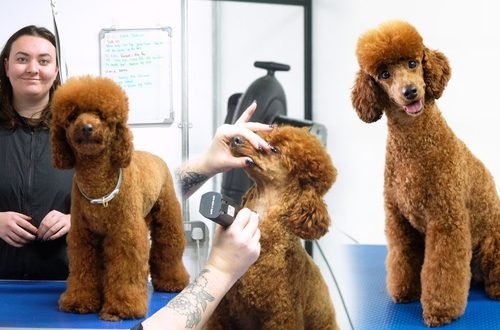
The Toy Poodle’s beautiful, curly coat requires significant attention. Daily brushing is necessary to prevent matting and tangles, especially around their ears and legs. Professional grooming every 4-6 weeks is also essential for clipping, bathing, and ear cleaning.
Many owners learn basic grooming techniques, but a professional groomer can maintain the breed’s classic styles. Regular grooming not only keeps them looking good but also contributes to their overall health and hygiene.
Nutritional Needs: Fueling a Tiny Dynamo
A high-quality diet tailored for small breeds is crucial for a Toy Poodle. Look for dog food that lists real meat as the first ingredient. Given their small stomachs, several small meals throughout the day may be better than one large one.
Portion control is vital to prevent obesity, which can lead to various health issues in small dogs. Always consult your veterinarian for specific dietary recommendations based on your dog’s age, activity level, and health.
Exercise Requirements: Keeping Them Active and Engaged
While they don’t need marathon runs, Toy Poodles do require daily exercise to stay healthy and happy. Two short walks a day, combined with indoor play sessions, are usually sufficient. They enjoy games like fetch and love to explore new scents.
Mental stimulation is just as important as physical exercise. Engaging them with training sessions, puzzle toys, and new experiences will keep their intelligent minds sharp and prevent boredom.
Training Your Intelligent Companion
Training a Toy Poodle is a rewarding experience due to their high intelligence and eagerness to please. Consistency and positive reinforcement are key.
Early Socialization is Key
Exposing your Toy Poodle puppy to a variety of sights, sounds, people, and other well-behaved dogs from an early age is critical. This helps them develop into well-adjusted, confident adults. Puppy classes are an excellent way to facilitate this process.
A well-socialized Toy Poodle is less likely to develop anxiety or fear-based behaviors later in life. Furthermore, positive early experiences build a foundation for a balanced temperament.
Positive Reinforcement Techniques
Toy Poodles respond best to positive reinforcement. Using treats, praise, and toys to reward desired behaviors is far more effective than punishment. This method builds trust and strengthens your bond with your dog.
Keep training sessions short, fun, and engaging to match their attention span. Consistent repetition will solidify their understanding of commands.
House Training and Crate Training Tips
House training a Toy Poodle requires patience and consistency. Establish a regular potty schedule, taking them out frequently, especially after waking up, eating, and playing. Reward them immediately when they eliminate outside.
Crate training can be highly beneficial, providing a safe den for your dog and aiding in house training. Introduce the crate gradually and make it a positive experience with toys and treats. For more detailed guidance on training, the American Kennel Club offers valuable resources.
Health and Longevity of Toy Poodles
Toy Poodles are generally healthy dogs, but like all breeds, they are prone to certain genetic health conditions. Responsible breeding practices help mitigate these risks.
Common Health Concerns to Watch For
Some conditions common in Toy Poodles include patellar luxation (slipping kneecaps), progressive retinal atrophy (a degenerative eye disease), Legg-Calvé-Perthes disease (a hip joint disorder), and dental issues. Regular dental care is particularly important for small breeds to prevent gum disease.
Reputable breeders will screen their dogs for these genetic conditions to ensure healthier offspring. Always inquire about health clearances for the puppy’s parents.
Preventative Care and Veterinary Visits
Regular veterinary check-ups are essential for early detection and prevention of health problems. Keep up-to-date with vaccinations, parasite control, and routine dental cleanings. Discuss any changes in behavior or appetite with your vet promptly.
A balanced diet and appropriate exercise also play a significant role in maintaining their overall health. For trusted information on canine health, the American Veterinary Medical Association provides comprehensive pet care guides.
Understanding Their Lifespan
With proper care, Toy Poodles typically enjoy a long lifespan, often living between 12 to 15 years, and sometimes even longer. Factors like genetics, diet, exercise, and preventative healthcare all contribute to their longevity.
Providing a loving home environment and addressing their needs diligently can help your Toy Poodle live a full and vibrant life.
Is a Toy Poodle the Right Dog for You?
Deciding to bring a Toy Poodle into your home is a significant commitment. Their unique traits make them wonderful companions for the right individuals or families.
Ideal Living Situations
Toy Poodles adapt well to various living situations, including apartments, thanks to their small size and moderate exercise needs. They thrive best in homes where they receive plenty of attention and are not left alone for long periods. They can also get along well with respectful children and other pets, especially if properly socialized.
Their intelligence means they need mental stimulation, so an owner who enjoys engaging in training and play will find them a perfect match.
Time Commitment and Responsibility
Owning a Toy Poodle requires a considerable time commitment for grooming, training, and daily interaction. Their non-shedding coat needs consistent care, and their intelligent minds demand regular mental engagement. Potential owners should be prepared for the ongoing costs of professional grooming and quality veterinary care.
If you’re looking for an active, intelligent, and affectionate companion who will be a central part of your family, a Toy Poodle could be an excellent choice. Further research into the breed can be found on the Poodle Club of America website.
Frequently Asked Questions About Toy Poodles
Are Toy Poodles good for first-time dog owners?
Yes, Toy Poodles can be excellent for first-time dog owners due to their high intelligence and eagerness to please, which makes them highly trainable. However, prospective owners must be prepared for their significant grooming needs and the time commitment required for their mental and physical stimulation. Their delicate size also means they need careful handling.
How much grooming does a Toy Poodle need?
Toy Poodles require extensive grooming. Their non-shedding, curly coat needs daily brushing to prevent mats and tangles. Additionally, professional grooming, including bathing, clipping, and ear cleaning, is necessary every 4-6 weeks. Neglecting their grooming can lead to painful skin issues and severe matting.
What is the average lifespan of a Toy Poodle?
Toy Poodles generally have a long average lifespan, typically ranging from 12 to 15 years. With proper nutrition, regular exercise, consistent veterinary care, and a loving environment, many Toy Poodles can live even longer, enjoying a healthy and active life well into their senior years.
Do Toy Poodles bark a lot?
Toy Poodles can be prone to barking, especially if not properly trained or socialized. They are alert and will often bark to signal visitors, unusual sounds, or to seek attention. Consistent training from a young age can help manage excessive barking. Providing adequate mental and physical stimulation can also reduce boredom-related barking.
Are Toy Poodles prone to any specific health issues?
Like many purebreds, Toy Poodles are predisposed to certain genetic health issues. These can include patellar luxation (slipping kneecaps), progressive retinal atrophy (an eye condition), Legg-Calvé-Perthes disease (a hip joint issue), and various dental problems. Responsible breeders screen their dogs for these conditions to minimize risk. Regular vet check-ups are crucial for early detection and management.
Conclusion
The Toy Poodle is a captivating and rewarding breed, offering a unique blend of intelligence, affection, and elegance. From their rich history to their demanding grooming needs and vibrant personalities, understanding every facet of this breed is key to a successful partnership. They thrive in homes where they are cherished companions, receiving consistent training, regular exercise, and dedicated care.
Bringing a Toy Poodle into your life means welcoming a loyal, clever, and endlessly entertaining friend. With the right commitment to their specific needs, you’ll discover why these charming dogs have captivated hearts for centuries. Their ability to adapt to various living situations, coupled with their unwavering devotion, makes them truly exceptional pets for those ready to embrace the journey.