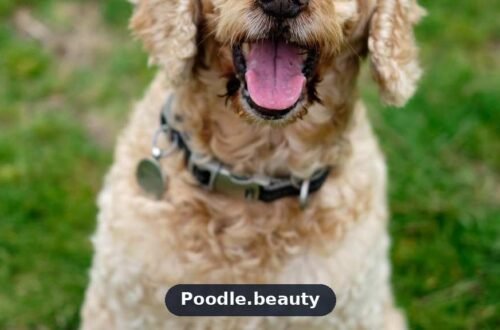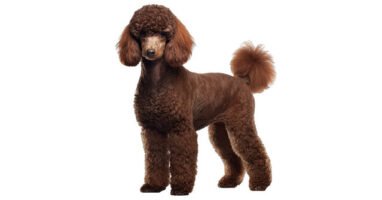
Some doodle crosses are easy recommendations. The chow chow poodle mix, often sold as the Chowpoo or Chowdoodle, is not one of them. It can be a loyal, striking, deeply rewarding dog, but it asks more of its owner than almost any other poodle cross, and it is honest to say so up front.
This is a mix for experienced owners who understand what the chow half brings: independence, reserve with strangers, and a guarding instinct that needs careful shaping from puppyhood. If that sounds like a project you would enjoy, read on. If you wanted a sociable, eager family doodle, this cross will fight you every step of the way.
Two Breeds Pulling in Opposite Directions
The chow chow is one of the oldest breeds in the world, developed in China as a guard, hunter, and all-purpose working dog. The AKC’s chow chow profile describes a dignified, aloof dog that bonds intensely with its family and has little interest in impressing anyone else. Chows are famously cat-like: affectionate on their own terms, clean, quiet, and stubborn.
The poodle sits near the opposite pole. Poodles are social, playful, handler-focused dogs that actively look for ways to cooperate. Cross the two and the puppies can land anywhere between those poles, sometimes within the same litter.
That unpredictability is the defining fact of this mix. You are not buying a blend with the sharp edges removed. You are buying a ticket in a genetic lottery where one of the prizes is a genuinely challenging adult dog.
Temperament: Loyalty With Conditions
Most chow poodle mixes are calm indoors, deeply loyal, and reserved rather than hostile with strangers. Many are affectionate with their own people in a quiet, undemonstrative way. They tend to watch a room before joining it.
The guarding instinct deserves straight talk. Chows were kept as property guardians, and many Chowpoos inherit a protective watchfulness over their home and family. In a well-socialised dog that looks like alertness and a warning bark.
In an under-socialised dog it can look like lunging at visitors or snapping at a child who wanders too close to its bed.
Neither outcome is an accident. The difference is almost always the work done in the first year.
That is why this mix belongs with owners who will treat socialisation as a serious, scheduled job rather than something that happens by itself. The temperament traits described in our poodle temperament guide apply to the poodle half only; the chow half plays by different rules.
Socialisation Is the Whole Ballgame
With most doodles, socialisation is good practice. With a Chowpoo, it is the difference between a manageable dog and a liability. The critical window is roughly the first 16 weeks, and it does not reopen.
A realistic plan for a Chowpoo puppy looks like this:
- Handled daily by different people, including children of different ages, always calmly and with food rewards.
- Exposed to visitors coming into the home regularly, so guests become routine rather than events to guard against.
- Taken to puppy classes with a trainer who uses reward-based methods and understands guarding breeds.
- Taught a solid settle on a mat, so the dog has a job to do when strangers arrive.
- Given a clear house rule from day one: the dog does not decide who is a threat. The humans do.
The AVMA’s socialisation guidance lays out the general method, and it is worth following closely with this mix. If problem behaviour does develop, a qualified behaviourist is the right call, and earlier is always cheaper than later.
Training a Dog That Is Not Trying to Please You
Poodles work for praise. Chows mostly work for themselves, and many Chowpoos take after the chow here. Training still works, but the currency changes: this dog cooperates when the deal makes sense to it.
Keep sessions short and rewarding, with food the dog actually values. Repeat the basics until they are boring, because reliability matters more with a guarding breed than with a biddable one. Prioritise recall, a strong leave it, calm lead walking, and polite behaviour around visitors.
Avoid confrontation: harsh corrections are the fastest way to damage trust with this mix, and a Chowpoo that stops trusting its handler becomes harder, not easier, to manage. Calm consistency wins, and owners who need a dog that delights in obedience should choose a different cross entirely.
The Coat: Double the Work, Literally
Grooming is where this mix quietly becomes expensive. Chows carry a dense double coat built for cold winters.
Poodles carry a continuously growing curly coat that mats if it is neglected. A Chowpoo can inherit either, or a heavy combination of both.
A double-coated Chowpoo sheds, sometimes heavily, with seasonal coat blows that fill a brush in minutes. A curly-coated one sheds little but needs brushing several times a week and professional clipping every six to eight weeks. The worst-case coat, thick and curly, needs both routines at once.
Budget honestly: expect to spend either serious time at home or serious money at a groomer, every week of this dog’s life. Matting in a dense coat is not just untidy; it pulls on the skin, hides hot spots, and makes vet examinations harder.
One more point that breeders gloss over. This mix is sometimes marketed as hypoallergenic because of the poodle parent, and that is not a promise anyone can keep.
No dog is truly hypoallergenic, and a Chowpoo with a chow-type coat will shed dander around the house like any double-coated breed.
Size, Looks, and Daily Energy
Most Chowpoos are bred from Standard poodles and land around 40 to 65 pounds, standing roughly 18 to 23 inches at the shoulder. Miniature poodle crosses exist and come out smaller, around 20 to 35 pounds. The blue-black tongue sometimes appears, sometimes not; it carries no meaning either way.
Energy is moderate by poodle-mix standards. Plan on 45 to 60 minutes of activity a day: a couple of decent walks plus some training or play. Chowpoos are not usually hyper, but an under-exercised, under-stimulated one with guarding instincts is a dog looking for a job, and it will appoint itself to security duty.
Health Risks Worth Screening For
A Chowpoo can inherit health risks from either parent breed, which is why health testing on both parents is non-negotiable with this cross. From the chow side, the known concerns include hip and elbow dysplasia, entropion (an eyelid problem that often needs surgery), thyroid disorders, and a sensitivity to heat that owners in warm climates must manage carefully.
From the poodle side come risks such as Addison’s disease, epilepsy, progressive retinal atrophy, and bloat in deep-chested, Standard-sized dogs. Our overview of poodle health problems covers the poodle list in more detail. Lifespan for a well-bred, well-kept Chowpoo is typically 10 to 14 years.
Ask any breeder for hip scores, eye test results, and evidence of thyroid screening on the chow parent. A seller who cannot produce paperwork is telling you something important.
Children, Visitors, and Other Dogs
Well-raised Chowpoos can be steady, devoted family dogs, but they are rarely the right choice for a house full of toddlers. Chow-line dogs tend to have limited patience for being grabbed, climbed on, or ambushed during sleep. Older children who can read a dog’s signals and respect its space usually do fine.
Our guide on poodles with children covers the poodle temperament around kids; apply it cautiously here, because the chow half lowers the tolerance. Supervise interactions, give the dog a retreat space that children cannot enter, and never leave this mix alone with small children.
With other dogs, early socialisation again decides the outcome. Same-sex friction appears in some chow-line dogs, so introductions should be managed thoughtfully rather than left to chance at the dog park.
Buying or Adopting: What Good Looks Like
Because this cross is uncommon, it attracts exactly the wrong kind of seller: people breeding for the novelty. A good breeder health tests, can explain why they paired those specific parents, keeps puppies until at least eight weeks, and will interview you as hard as you interview them. Prices from reputable breeders typically run 1,000 to 2,500 dollars.
Adoption is a genuinely good route here. Adult Chowpoos appear in rescues when owners underestimate the chow temperament, and an adult comes with a known personality instead of a lottery ticket.
Rescue staff can tell you honestly whether a particular dog is social, wary, or dog-selective. Typical adoption fees run 150 to 500 dollars.
Expect total first-year costs, between food, grooming, vet care, and training classes, to land well above the purchase price. This mix rewards owners who budget for the dog it actually is.
Frequently Asked Questions
Is a chow chow poodle mix a good first dog?
Honestly, no. The combination of chow independence, guarding instincts, and a high-maintenance coat asks for experience reading dog body language and managing behaviour early. First-time owners are usually happier with one of the more biddable poodle crosses, and the dog is happier too.
Do Chowpoos shed?
Many do, and some shed a lot. A chow-type double coat sheds year-round and heavily during seasonal changes. Only the puppies that inherit a strongly poodle-type coat shed lightly, and there is no way to guarantee which coat a puppy will have.
Are Chowpoos aggressive?
They are not born aggressive, but the chow guarding instinct can develop into reactivity or aggression if socialisation and training are skipped. Well-raised Chowpoos are typically reserved and calm rather than dangerous. The outcome depends heavily on the owner’s work in the first year.
How much grooming does a chow poodle mix need?
Plan on brushing several times a week at minimum, daily for long or double coats during shedding season. Most need professional grooming every six to eight weeks as well. Over a year, the grooming commitment is one of the largest of any poodle mix.
How long do chow chow poodle mixes live?
Typically 10 to 14 years with good care. Choosing parents with health screening, keeping the dog lean, and staying on top of vet checks all help a Chowpoo reach the top of that range. More on the factors involved is in our poodle mix lifespan guide.