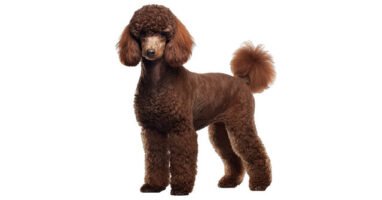
When you see a beautifully coiffed Poodle walking down the street, you probably picture high-end dog salons and a life of luxury. You might never guess that these elegant dogs were actually built for hard, messy labor in freezing cold water. If you have ever wondered what were poodles originally bred for, the answer lies in the rugged marshlands of Europe. These dogs were designed to be tough, athletic water retrievers. They spent their days leaping into cold lakes to fetch downed ducks and geese for hunters.
Despite their modern reputation as pampered show dogs, Poodles are working dogs at heart. Their fancy haircuts, incredible intelligence, and athletic bodies all stem from their history as hunting partners. By looking closely at their past, we can better understand why they behave the way they do today. Let us take a deep look into the history of this remarkable breed and see how their working past still shapes them.
The German Origins of a French Icon
Many people associate the Poodle with France, often calling them French Poodles. In fact, the Poodle is the national dog of France, where they are highly loved. Still, the breed actually started in Germany hundreds of years ago. The history of these dogs is deeply tied to the cold wetlands of Central Europe.
The very name of the breed gives away their original purpose. The English word Poodle comes from the German word Pudel or Pudeln. In the low German language, this word translates to splashing in water. The full German name for the breed was Pudelhund, which literally means splashing dog. This name perfectly describes their daily work of jumping into lakes and rivers.
Historical drawings and paintings from the fifteenth and sixteenth centuries show dogs that look just like modern Poodles. These early dogs were depicted working alongside hunters in German marshes. Over time, French nobles fell in love with the breed’s intelligence and versatile nature. They imported the dogs and refined the breed, which is why France is so closely linked to them today.
What Were Poodles Originally Bred For?
To fully understand the breed, we must look at the specific tasks they were created to perform. The primary job of the early Poodle was water retrieving. Hunters in Germany needed a dog that could swim through icy waters to bring back ducks, geese, and other waterfowl.
This job required a dog with incredible stamina and a strong desire to please its handler. The dogs had to wait patiently in cold, damp boats or muddy banks for hours. When a hunter shot a bird, the dog had to spring into action instantly. They had to swim through thick water plants, navigate strong currents, and bring the heavy bird back without damaging it.
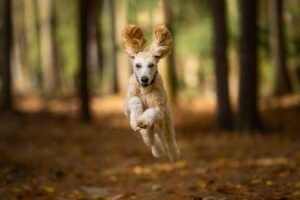
Because of this intense work, breeders selected dogs with high intelligence and physical strength. The dogs needed to be smart enough to mark where several birds fell in the water. They also had to follow hand signals from the hunter across long distances. This history of close teamwork is why modern Poodles are so incredibly focused on their human owners.
The Functional Truth Behind the Poodle Clip
The unique Poodle haircut is famous worldwide, but it was not created for beauty contests. Every single shaved patch and puff of hair on a working Poodle had a vital survival purpose. The traditional clip is actually a brilliant piece of historical hunting gear.
When Poodles swam in freezing waters, their thick, curly coats would get soaked. This heavy, wet hair would weigh the dogs down and make swimming very difficult. To help them move faster, hunters decided to shave most of the dog’s body. This kept the dogs light and agile in the water.
However, shaving the entire dog created a dangerous problem. The freezing water could easily cause hypothermia or damage the dog’s joints. To prevent this, hunters left thick patches of hair around vital areas. The hair around the chest kept the heart and lungs warm, while the puffs around the ankles protected the sensitive joints from the cold. The puff of hair on the head, known as the topknot, was tied with a bright ribbon so hunters could easily spot their swimming dogs in murky waters.
Physical Traits Built for the Water
Every part of the Poodle’s body was designed to make them elite swimmers. Their physical structure is a perfect example of form meeting function in the animal kingdom. If you look closely at a Poodle, you can see these aquatic features even today.
First, Poodles have webbed feet. Unlike many other dog breeds, the skin between their toes extends much farther, acting like natural flippers. This webbing allows them to push through the water with incredible speed and power. According to the American Kennel Club, this physical trait is a key reason why they excel at water sports and field trials.
Second, their coat is highly unique. Poodles do not have fur like most dogs; instead, they have hair that grows continuously. This hair is dense, harsh, and naturally oily, which helps to repel water. When a Poodle shakes after swimming, the water flies off easily, leaving the skin underneath relatively dry. This natural raincoat kept them warm during long days on the water.
The Three Sizes and Their Specific Jobs
As the breed grew in popularity, people began to breed Poodles in different sizes. Today, we recognize three distinct sizes: Standard, Miniature, and Toy. While they all share the same ancestry, each size was developed for a slightly different job.
Standard Poodles
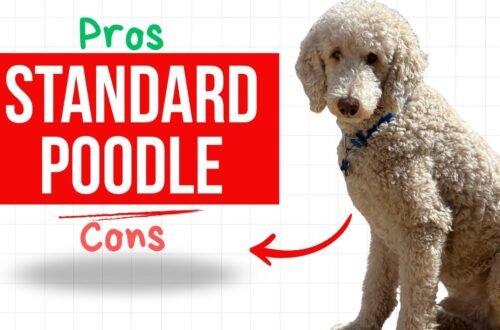
The Standard Poodle is the oldest of the three varieties and represents the original water retriever. These large, muscular dogs were the ones that worked in the field with hunters. Their height and strength allowed them to carry heavy geese and push through thick river reeds. They are still the most athletic of the three sizes and require plenty of physical exercise to stay happy.
Miniature Poodles
The Miniature Poodle was bred down from the Standard size to perform different types of work. While they could still retrieve smaller birds, they became highly famous for truffle hunting. Truffles are expensive, edible fungi that grow underground in forests. The Miniature Poodle’s keen sense of smell and small size made them perfect for sniffing out these treasures without damaging them.
Toy Poodles
The Toy Poodle was created to be the ultimate companion dog. In the seventeenth and eighteenth centuries, French nobles wanted a small dog they could easily carry around. Toy Poodles became popular in royal courts, where they were pampered by the wealthy. Still, they kept their working intelligence and were often used as circus performers because they could learn complex tricks so quickly.
From Muddy Marshes to Royal Courts
The transition of the Poodle from a rugged hunting dog to a royal companion is a fascinating story. As French aristocrats noticed the breed’s extreme intelligence and beauty, they brought them indoors. The dogs quickly moved from the muddy marshes to the gilded halls of Versailles.
During the reign of King Louis XVI, Poodles were the ultimate status symbol. Royal groomers would clip the dogs to match the elaborate hairstyles and outfits of the nobility. This is when the practical hunting clip began to transform into an artistic fashion statement. The breed became deeply woven into French culture, cementing its place as a national symbol.
Even as they became luxury companions, Poodles never lost their working drive. They remained highly active, curious, and eager to learn. This adaptability is why the breed has remained popular for centuries. They can transition from a day of hiking in the woods to lounging on a velvet sofa without missing a beat.
The Incredible Intelligence of the Breed
Poodles are widely ranked as the second smartest dog breed in the world, just behind the Border Collie. This high level of intelligence is a direct result of their breeding history. A water retriever must be able to think quickly and make decisions on the fly.
When retrieving game, a dog often has to work far away from its owner. They must analyze the water currents, avoid obstacles, and locate the fallen bird on their own. This required a level of problem-solving skills that few other breeds possess. They are also incredibly sensitive to human body language and vocal tones.
Because they are so smart, modern Poodles need plenty of mental stimulation. If they get bored, they can easily become destructive or anxious. They love learning new tricks, playing puzzle games, and participating in dog sports. For more information on breed standards and history, you can visit the Poodle Club of America.
Modern Poodles as Working Dogs
While most Poodles today are kept as family pets, many of them still work for a living. Their unique combination of intelligence, athletic ability, and low-shedding coats makes them perfect for a wide variety of modern jobs. They continue to prove that they are much more than just pretty faces.
Today, Poodles excel as service dogs for people with disabilities. They are frequently used as guide dogs for the blind and medical alert dogs for people with diabetes or epilepsy. Their calm demeanor and high trainability make them ideal for these high-pressure roles. In addition, their hypoallergenic coats are a huge benefit for owners with allergies.
Poodles also shine in search and rescue operations and as therapy dogs in hospitals and schools. Many owners still take their Standard Poodles out to the field for hunting tests. They can compete directly with Labradors and Golden Retrievers, often showing off the same natural instincts that their ancestors used centuries ago.
How History Shapes the Modern Poodle’s Temperament
If you own a Poodle or are thinking of getting one, understanding their history is key to a happy relationship. Many of the behaviors that owners find challenging are actually natural instincts left over from their hunting days. Recognizing this can help you train your dog more effectively.
For example, Poodles love to carry things in their mouths. This is a direct result of their retrieving heritage. They might bring you toys, shoes, or random objects as a way of showing affection or asking for play. Instead of discouraging this, you can channel it into fun games of fetch or teach them to clean up their toys.
Their high energy levels also come from their working past. These dogs were bred to run, swim, and work for hours at a time. A quick walk around the block is rarely enough for a young Poodle. They need vigorous exercise and mental challenges to burn off their energy. When their physical and mental needs are met, they are incredibly well-behaved and loving companions.
Health and Care of a Historic Breed
Because Poodles were bred to be active working dogs, they are generally healthy and robust. Still, like all breeds, they are prone to certain genetic health issues. Keeping them in top shape requires regular veterinary care and proper grooming.
Their unique coat requires a lot of attention to prevent matting. If you do not brush them regularly, their curly hair can trap dirt and moisture, leading to painful skin infections. Many owners choose to keep their Poodles in a short, simple utility clip to make grooming easier. This clip is very similar to the practical cuts used by historical hunters.
Because they have floppy ears that trap moisture, Poodles are also prone to ear infections. This is especially true if they spend time swimming. It is important to dry their ears thoroughly after baths or swims to keep them healthy. For detailed advice on caring for your dog’s health, you can consult resources like VCA Animal Hospitals.
Understanding the Legacy of the Poodle
The journey of the Poodle from German marshlands to modern living rooms is a testament to their versatility. They are one of the few breeds that can seamlessly transition between hard physical labor and elegant companionship. Their rich history of work has left them with a unique set of traits that make them wonderful companions today.
When we look past the fancy haircuts and see the athletic water retriever underneath, we can truly appreciate this breed. They are strong, intelligent, and deeply loyal dogs that love to be part of a family. By honoring their working heritage, we can give them the active, stimulating lives they truly deserve.
FAQs
Are Poodles natural swimmers?
Yes, Poodles are natural swimmers. They have physical traits specifically designed for the water, including webbed feet that act as paddles and a dense, water-resistant coat that helps keep them warm in cold temperatures. Most Poodles still love the water today and will happily swim if given the chance.
Why do Poodles have puff balls on their legs?
The puff balls, or pom-pons, on a Poodle’s legs were originally designed to protect their joints from freezing water. Hunters shaved the rest of the dog’s body to make swimming easier but left these thick patches of hair to prevent joint stiffness and hypothermia in cold marshlands.
Did Poodles originate in France or Germany?
Poodles originally originated in Germany, where they were bred as water-retrieving hunting dogs. However, the breed became highly popular in France, where it was refined by breeders and eventually declared the national dog. This is why many people still associate them with French culture.
What is the difference between a Standard and a Miniature Poodle’s original job?
Standard Poodles were bred for heavy-duty water retrieving, fetching ducks and geese in cold lakes. Miniature Poodles were bred down to a smaller size and were frequently used to sniff out expensive truffles in European forests, thanks to their excellent sense of smell and small size.
Do modern Poodles still have hunting instincts?
Yes, many modern Poodles still retain strong hunting and retrieving instincts. They often love to play fetch, carry objects in their mouths, and chase birds or small animals. Many owners still train their Standard Poodles for field trials and active hunting today.

4 Comments on “What Were Poodles Originally Bred for and Why Their History Matters”