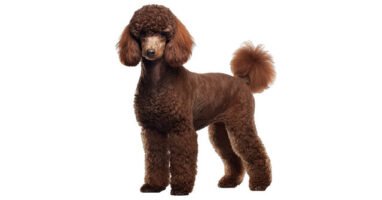
Count the colors poodles come in and you run out of fingers. Black, white, brown, red, apricot, cream, silver, blue, grey, silver beige, café-au-lait, and that is before the patterns start: parti, phantom, sable, brindle, abstract. Few breeds give buyers this much choice, or this much confusion.
The good news is that the whole palette runs on a simple system. Two pigments, a set of modifier genes that adjust them, and time. Understand those three things and you can predict, roughly, what a puppy will look like as an adult and spot a breeder who is guessing.
Two Pigments Do Almost All of the Work
Every poodle coat is built from eumelanin or phaeomelanin. Eumelanin makes black and, in its altered form, brown. Phaeomelanin covers the warm end of the spectrum, from deep mahogany red through apricot to the palest cream.
Modifier genes decide how that pigment is delivered. Some dilute it, some spread it in patches or restrict it to certain areas, and some turn it down gradually as the dog matures. That slow fade, called clearing, is behind most of the color surprises poodle owners talk about.
The dog carries a built-in label, too. The points, meaning the nose, eye rims, lips, and paw pads, reveal which pigment is in charge. Most colors come with black points, while brown based dogs have liver colored points and typically lighter, amber toned eyes.
The Solid Colors, One by One
Black
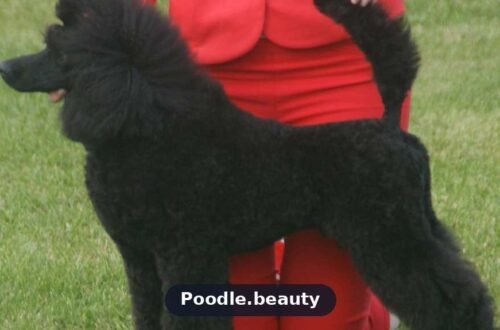
Black is the benchmark: dense, even, and glossy from root to tip, with black points to match. A genuine black holds its depth for years. Strong sun can rust the coat tips, and many older blacks silver gently around the muzzle, which is aging rather than a fault.
Everyday dirt hides well in a black coat, which fools nobody once the bath water runs brown. What black does show clearly is dust, dandruff, and thinning patches, so skin trouble is easy to catch early. Our black poodle guide goes deeper on living with the color.
White
White poodles are not albinos. Pigment is there, it simply does not show in the coat, and dark eyes with usually black points sit underneath the snow white hair. In the show ring, any cream or lemon shading through the coat counts against the dog.
The trade-off is upkeep, and it is real. White announces tear staining, mouth staining, mud, and wet grass within hours.
Budget for more frequent washing and daily eye area wipes than any other color needs. Stain control on a white poodle is a discipline of its own, built on gentle cleansers, thorough drying, and keeping the hair around the eyes trimmed short.
Brown
Browns range from deep chocolate to a pale milky coffee, always paired with liver points and amber eyes. Because brown is eumelanin in its softer form, it tends to behave differently from black as the years pass.
Lightening is the rule, not the exception. A rich chocolate puppy commonly matures into café-au-lait or drifts toward silver beige, so judge the color by the adult dogs a breeder shows you rather than by the eight week old in your arms.
Red
Red is phaeomelanin at full strength: a saturated reddish brown, usually with black points, that photographs beautifully and stops people on the street. Breeders have only been selecting seriously for depth of red for a few decades, which is part of why strong reds still draw attention.
Red is also the color owners most often watch slip away. Plenty of red puppies soften to apricot, and some reach cream, within their first two or three years. Lines described as holding their red are the result of patient selection against that fade.
Apricot
Apricot sits between red and cream, running from warm gold to a soft orange glow, generally with black points, and it remains one of the most requested shades in pet homes.
Apricot fades too, though usually less dramatically than red. Many puppies sold as deep apricot finish as a gentle golden cream. If the adult shade matters to you, ask to see the parents as they look now, not in their puppy photos.
Cream
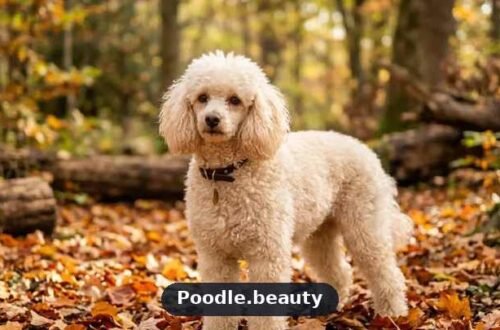
Cream is the palest warm color, a soft ivory with just enough pigment to separate it from white, and typically black points. Think of it as the quiet end of the same pigment family that produces apricot and red.
Because there is less pigment to lose, creams hold their shade better than their darker relatives. Owners who love the golden look but dread watching it vanish often land here.
Silver
Silvers perform the breed’s best magic trick. Puppies are born black or nearly black, then clear steadily until the coat reads as bright, even silver, a process usually finished by about two years old.
You can preview the ending surprisingly early. Part a young puppy’s coat and look at the roots, or check the face after its first clip. Silvers show pale new growth coming through, while true blacks stay dark right down to the skin.
Blue and Grey
Blue is diluted black: an even slate or charcoal with a cool cast, darker than silver and softer than black. Blues are born dark like silvers and take their time, often two to three years, to finish clearing into their adult tone.
Grey causes endless arguments because people use the word loosely. Properly, a grey poodle clears to a true mid grey, deeper than a finished silver yet lighter than a blue. Casual use is looser, which is why breeder paperwork matters more than labels.
Silver Beige and Café-au-Lait
These two are the faded browns, and breeders treat them as colors in their own right. Café-au-lait puppies arrive a milky light brown and stay in that range. Silver beige puppies start noticeably darker, then clear toward a pale, silvery beige by around two years.
Both keep liver points. So when a breeder presents a dark brown puppy as a future silver beige, that is not a sales trick. The clearing simply has not happened yet.
Patterns: When One Color Is Not the Whole Story
Solid colors are the tradition, but poodle genetics also paint patterns, and pet owners adore them. Parti poodles wear at least half white with clearly defined patches of another color, and no two are marked alike.
Phantom poodles carry a solid base with lighter points in fixed places: above the eyes, on the muzzle, chest, legs, and under the tail, the same map you see on a Doberman. Sables look different again, with dark tips over a lighter undercoat, giving a shaded effect that often lightens as the tips grow out or get clipped away.
Brindle poodles show tiger striping through the coat, while abstracts are mostly solid dogs with a modest splash of white on the chest, chin, or toes. Each pattern has its own genetics, and its own crowd of devoted fans.
Why Puppies Change Color, and How to See It Coming
Clearing is genetically programmed, and the timing follows patterns worth knowing. Silvers announce themselves at the roots within the first two months. Blues take far longer, sometimes the full three years, and browns lighten steadily through their first two years.
Reds and apricots fade on a slower clock, losing depth across several years rather than months. Blacks and whites sit at the stable end of the scale, and creams usually shift only slightly. Sun exposure can add its own temporary rusting or bleaching on top of whatever the genes are doing.
Three habits separate a good prediction from a guess. Look at both parents as adults, because puppies tend to land near them.
Part the puppy’s coat and read the roots, especially on the face and feet after a first clip. Then ask the breeder directly how their lines usually mature, and how earlier litters turned out.
Checking a Breeder’s Color Claims
Color is easy to oversell, so verify it the way you would verify anything else. Registration paperwork lists a color, and a breeder should happily show you the sire and dam as they look today. Adult dogs standing in front of you settle arguments that puppy photos cannot.
DNA coat color testing exists and settles the rest. A breeder who markets specific colors should be able to show panel results for the parents, including the genes behind fading and pattern. The Poodle Club of America publishes the health testing side of that picture, which matters far more than pigment.
Treat invented names as a warning sign. Labels like lavender, royal red, or teacup anything are marketing, not colors or sizes any registry uses. Honest breeders describe shades plainly and admit what they cannot promise about the adult result.
What the Registries Accept
Standards differ by organization, and it helps to know whose rules a breeder is quoting. The AKC poodle standard describes solid colors for the conformation ring, which is why patterned dogs do not compete there.
The United Kennel Club takes a broader view and runs a multicolored division where parti, phantom, sable, and brindle dogs can be shown. Neither position changes what the dog is like at home. Registry recognition is about the show ring, not about whether a poodle is a good poodle.
Grooming Visibility: The Color You Live With
Daily life argues for thinking past the pretty photo. White coats display every stain and need the most washing. Black coats forgive mud but broadcast dandruff, dust, and dry skin, and they can rust at the tips through a sunny summer.
Reds and apricots look dullest when they fade unevenly, so regular clipping keeps the tone looking deliberate rather than tired. Parti coats split the difference: the colored patches hide grime while the white areas ask for the full white dog routine. Brindle hides dirt better than almost anything, then hides its own stripes under a long coat, which is its own small irony.
None of this should pick the dog for you. Choose the breeder and the temperament first, and let color be the last filter, not the first. You will look at the coat for a decade or more, but you will live with the personality every single day.
Frequently Asked Questions
What colors do poodles come in?
The recognized solids are black, white, brown, blue, grey, silver, silver beige, café-au-lait, apricot, red, and cream. Patterns add parti, phantom, sable, brindle, and abstract on top of those base colors.
Do all poodle puppies change color as they grow?
No, but many do. Silvers, blues, silver beiges, browns, reds, and apricots commonly clear or fade during their first two to three years. Blacks, whites, and creams tend to stay closest to their puppy shade.
What is the difference between a blue and a silver poodle?
Both are born dark and lighten with age. A finished blue is a deep slate or charcoal, while a finished silver is much paler and brighter. Silvers also tend to show their new color at the roots earlier, often within the first two months.
Does coat color affect a poodle’s temperament or health?
There is no evidence that color changes temperament. Health follows the parents and the breeder’s testing, not the pigment. Any seller claiming one shade is calmer, smarter, or hardier than another is selling, not informing.
Which poodle color is easiest to maintain?
Mid tone solids and brindles hide everyday dirt best. White needs the most washing and stain care, and black needs attention to sun rusting and visible dandruff. Every color still needs the same brushing and clipping schedule, because it is the same coat.
Picking Your Shade
The poodle palette is wide enough that most people find a favorite quickly. Just remember that the puppy shade is a rough draft for colors that clear or fade.
Fall for the dog, verify the breeder, and take the adult color as part of the package. A well bred poodle in your second favorite color beats a poorly bred one in your first, every time.



6 Comments on “Poodle Colors Explained: A Complete Guide”