A freshly groomed white poodle stops people mid-sentence. The coat is almost luminous, the outline crisp, and the whole dog looks like it was designed rather than born. What the photograph never shows is the upkeep standing behind that picture.
Let us be straight about two things at the start. First, coat color does not determine temperament or health on its own. A white poodle is the same intelligent, loyal, occasionally theatrical dog as every other poodle, and any traits discussed below are general poodle traits.
Second, white is the highest-maintenance color in the breed, and it is not close.
This guide covers the practical side of that bargain: why white coats stain and yellow, how to tell a true white from a cream, what pale skin makes easier and what it makes riskier, and the routine that keeps a white poodle actually looking white between grooms.

White or Cream? Telling the Two Apart
Plenty of dogs sold and adored as white poodles are technically cream, and plenty of owners never find out. The two colors sit side by side on the poodle palette, and puppies can shift as they mature, so the confusion is understandable.
A true white has black points: a black nose, black eye rims, and dark paw pads, with pigment in the skin. It is not an albino, since albinism removes pigment from skin and eyes entirely and is a different thing altogether. Part a white poodle’s coat and the hair is white from root to tip.
Cream carries warmth. Look at the ears, which often hold a deeper apricot tint than the body, and check the roots after a clip, where a cream dog frequently shows a faint biscuit tone.
Creams can also lighten considerably with age, which is how a cream puppy becomes a nearly white adult and fools everyone. Whichever shade you end up with, our poodle colors explained guide shows how the shades relate, and white’s classic, well established status in the breed becomes clear fast.
Tear Stains: The Fight Every White Poodle Owner Knows
On a dark poodle, tear staining happens quietly. On a white one, it draws a rusty map under each eye within days. The color comes from porphyrins, iron-based molecules in tears and saliva that turn reddish brown once they sit in the coat exposed to air.
Some staining is simply genetics and face shape. Smaller poodles with shallower eye sockets often tear more.
Teething puppies commonly stain worse for a few months, and allergies, ear trouble, blocked tear ducts, or an irritated eye can all turn the taps on. A stain that appears suddenly, affects one eye only, or comes with squinting, odor, or pawing at the face is a vet visit, not a grooming problem.
For everyday management, wipe under the eyes once or twice daily with a soft cloth dampened with warm water or saline, then pat the area dry. Stains set in damp hair. Keep the hair around the eyes trimmed short, and wash food and water bowls often, since a grubby beard wicks moisture and bacteria upward all day.
Yellowing: Where It Comes From, and How to Slow It
Tear stains get the attention, but whole-coat yellowing frustrates white poodle owners more. The usual culprits are ordinary life. Saliva stains the beard and any foot the dog licks.
Legs and bellies pick up urine splash, mud, grass, and city grime. Hard water leaves mineral dullness, and strong sun yellows the top of the coat over a long summer.
You cannot prevent any of this completely, and anyone who promises a permanently spotless white dog is selling something. What works is shortening the time stains spend in the coat.
Rinse paws after wet or muddy walks. Wash the beard after messy meals. Spot-clean marked areas with a damp cloth during the week rather than waiting for bath day to deal with two weeks of buildup.
At bath time, a whitening shampoo earns its keep. These products use optical brighteners that counteract yellow tones, and used every 3 to 4 weeks they hold the line well. Used too often they dry the coat out, and a dry coat stains faster, so follow with conditioner and do not overdo it.
A white coat stays white because of small habits repeated weekly, not because of one miracle product.
The Routine That Keeps a White Coat Bright
White poodle care is a schedule, not an event. This rhythm suits most owners and most dogs:
- Daily: wipe the eyes and under-eye area, quick once-over of beard and feet, and a short brush of the legs and furnishings where dirt collects.
- Several times a week: a full brush-out followed by a metal comb down to the skin, because mats in a white coat hide dirt against the skin where it festers.
- Every 3 to 4 weeks: a full bath with whitening shampoo and conditioner, then a thorough blow-dry while brushing. Air drying invites matting and skin trouble.
- Every 4 to 6 weeks: a professional groom for the clip, ear cleaning, and nail trim, with nails checked at home in between.
Our guide to grooming a poodle at home covers the technique behind each step, and the ASPCA grooming guidance is a solid reference for the basics. Add teeth to the weekly list while you are at it: poodles are prone to dental disease, and daily brushing with dog toothpaste is the cheapest insurance in dog ownership.
Pale Skin: Easier to Check, Easier to Burn
The white coat hides one genuine advantage. Pale skin shows everything early.
Redness from an allergy, a hot spot starting, a tick, a small lump, flaking, a rash: on a white poodle you spot these during an ordinary brush-out instead of discovering them weeks later by feel. Use grooming time as a standing skin check and you will catch problems while they are still cheap and simple.
The trade-off is the sun. Skin under a white coat has less pigment protection, and the thinly coated spots burn first: the nose, the belly, the ear tips, and any area clipped very short. Long midday exposure, day after day, raises the risk of sun damage and, over years, skin cancer.
Practical protection is simple. Favor morning and evening walks in summer, and give the dog shade and water on long days outside. Apply a sunscreen made for dogs to the nose and belly before extended exposure.
Skip human sunscreen unless your vet approves the specific product, since some contain ingredients that are unsafe when licked. The AVMA’s skin health resources explain what normal and abnormal dog skin looks like when you are learning to check.
The Same Dog Underneath
Because color changes nothing about temperament, everything owners say about poodles applies here in full. These are among the smartest dogs alive, deeply attached to their people, and playful well into old age. The poodle temperament guide digs into what that means day to day.
Training should start early and stay positive. Poodles shut down under harsh handling and flourish with rewards, short sessions, and variety. They excel at obedience, agility, and water sports, which suits a breed that began as a retriever.
Exercise scales with size. Standards need around an hour a day of real activity, Miniatures somewhat less, and Toys shorter outings plus indoor play.
Whatever the size, pair the physical work with mental work, because a tired brain settles a poodle faster than tired legs alone. The American Kennel Club breed page gives the official size and care outline for each variety.
Health Notes for White Poodles
White poodles carry the standard breed predispositions: hip dysplasia, progressive retinal atrophy, Addison’s disease, epilepsy, von Willebrand’s disease, and bloat in Standards, among others. Treat these as a screening checklist for choosing a breeder, not as a forecast for your dog. A responsible breeder tests for the relevant conditions and hands over the paperwork without being chased.
Beyond sun sensitivity, there is no solid evidence that white poodles are sicker than other colors. Claims that white puppies are inherently fragile or deaf circulate in a few breeds, but they do not hold up for poodles from health-tested lines. Choose the breeder carefully, keep up with vet visits, and the color will be the least of your concerns.
Is White the Right Choice for You?
Be honest about the arithmetic. A white poodle means daily face wipes, frequent brushing, baths most months, and professional grooming every 4 to 6 weeks, forever. Muddy seasons will test your commitment weekly.
If that routine sounds like a chore you will abandon by month three, the dog pays for it in mats and stained, uncomfortable skin.
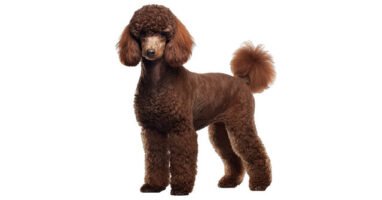
If, on the other hand, the routine sounds almost enjoyable, and you want a brilliant, devoted dog whose grooming doubles as a health check, white is a wonderful choice. And if you admire the look but doubt the workload, remember the dog underneath is identical in every color: our black poodle guide covers the same breed in the shade that hides the dirt.
Frequently Asked Questions
Why does my white poodle have brown stains under the eyes?
Those stains come from porphyrins in the tears, which oxidize to a reddish brown in the coat. Excess tearing from allergies, teething, blocked ducts, or eye irritation makes them worse. Daily wiping and keeping the eye area dry controls most of it, and dry coats actually stain faster.
How can I tell a white poodle from a cream one?
Check the ears and the roots. Cream dogs carry a warm, biscuit tint that shows most clearly on the ears and at the skin after a clip. True whites are white to the root with black nose, eye rims, and paw pads. Many creams fade toward white with age, so a young dog’s pedigree records are often the deciding evidence.
How often should I bathe a white poodle?
Every 3 to 4 weeks suits most white poodles, using a whitening shampoo followed by conditioner. Spot-clean the face, beard, and paws between baths instead of bathing more often. Over-bathing dries the skin and coat, and dry coats actually stain faster.
Do white poodles get dirty faster than other colors?
They get dirty at exactly the same rate. They just cannot hide it. Every muddy paw print and grass stain shows at full contrast, which is why the daily wipe-down routine matters so much more for this color than for a black or brown poodle doing the same activities.
Can a white poodle get sunburned?
Yes. The nose, belly, ear tips, and closely clipped areas burn readily because the pale skin beneath has little pigment protection. Limit midday sun, provide shade, and use a dog-formulated sunscreen on exposed skin during long periods outdoors.
Are white poodles more nervous than other poodles?
No. Temperament has nothing to do with coat color. Any nervousness comes from breeding, early socialization, and daily life. A well-bred, well-socialized white poodle is as confident and steady as a littermate of any other shade.
A white poodle is a commitment you can see. Put in the small daily efforts and the dog rewards you twice over, once with that extraordinary coat and once with everything a poodle is: clever, devoted, and endlessly entertaining company for the next decade and more.




2 Comments on “White Poodle Guide: Personality, Health & Care”