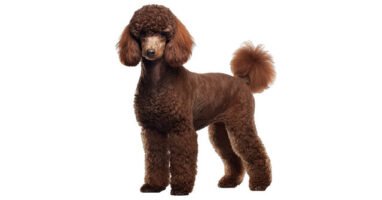
Three dogs can share the poodle name and still grow up on completely different clocks. A Toy may be finished growing before a Standard has reached half its adult weight, which is why a single growth chart for “poodles” helps nobody.
This page is the all sizes reference. You will find a weight and height table for each variety, a simple method for weighing and measuring at home, and the warning signs that matter more than any number. Treat every range below as typical rather than guaranteed. Healthy puppies land above, below, and right on these figures.
The Three Varieties at a Glance
The American Kennel Club recognises one breed in three sizes. Toys stand up to 10 inches at the shoulder and usually weigh 4 to 6 pounds as adults. Miniatures stand over 10 inches and up to 15 inches, at roughly 10 to 15 pounds.
Standards stand over 15 inches, most of them well over, and weigh somewhere between 40 and 70 pounds. Males tend toward the heavier end, females toward the lighter end. Always compare your puppy with the table for its own variety, because cross size comparisons tell you nothing useful.
Toy Poodle Growth Table
Toys do most of their growing early and fast. Many reach close to adult height by six months, then spend a few more months adding a little muscle and body condition. Our dedicated guide to how big Toy Poodles get follows that development week by week.
| Age | Typical weight | Typical height at shoulder |
|---|---|---|
| 8 weeks | 1.5 to 3 pounds | 5 to 7 inches |
| 3 months | 2.5 to 4 pounds | 6 to 8 inches |
| 4 months | 3 to 4.5 pounds | 7 to 9 inches |
| 6 months | 3.5 to 5.5 pounds | 8 to 9.5 inches |
| 8 months | 4 to 6 pounds | 9 to 10 inches |
| Adult | 4 to 6 pounds | Up to 10 inches |
Because Toys are so light, weigh them on a kitchen scale rather than a bathroom scale. A few ounces either way is a real percentage of a Toy puppy’s body weight, and bathroom scales are too coarse to show it.
Miniature Poodle Growth Table
Miniatures grow at a steadier pace than Toys and take longer to finish. Height is usually complete by nine or ten months, with filling out continuing toward the first birthday and sometimes a little beyond. The Miniature Poodle growth chart breaks this down month by month if you want finer detail.
| Age | Typical weight | Typical height at shoulder |
|---|---|---|
| 8 weeks | 3 to 5 pounds | 6 to 8 inches |
| 3 months | 5 to 8 pounds | 8 to 10 inches |
| 6 months | 8 to 12 pounds | 10 to 13 inches |
| 9 months | 10 to 14 pounds | 11 to 14 inches |
| 12 months | 10 to 15 pounds | 10 to 15 inches |
| Adult | 10 to 15 pounds | 10 to 15 inches |
Miniatures are the variety owners most often misjudge, because a fluffy coat hides the frame underneath. Get your hands on the dog when you assess condition. The coat will happily disguise both ribs and fat.
Standard Poodle Growth Table
Standards are the slow project. Height arrives over the first year, and the lanky frame keeps adding muscle well into the second. A tall, narrow twelve month old Standard is not underweight by default; he is unfinished. Our Standard Poodle breed guide covers the adult dog in full.
| Age | Typical weight | Typical height at shoulder |
|---|---|---|
| 8 weeks | 8 to 12 pounds | 9 to 12 inches |
| 3 months | 18 to 28 pounds | 13 to 16 inches |
| 6 months | 30 to 45 pounds | 17 to 21 inches |
| 9 months | 38 to 55 pounds | 19 to 24 inches |
| 12 months | 40 to 60 pounds | 20 to 26 inches |
| Adult | 40 to 70 pounds | Over 15 inches, commonly 20 to 27 inches |
Adult males usually settle between 45 and 70 pounds, females between 40 and 60. During the fastest months, a large breed puppy food helps keep growth at a pace that growing joints can handle. Rapid, calorie pushed growth in a big puppy is a joint problem being scheduled for later.
How to Weigh and Measure Your Poodle Correctly
Home numbers are only useful if you collect them the same way every time. Sloppy measuring creates fake trends, and fake trends create needless vet visits or missed real ones.
Weigh and measure on the same day, at the same time, before feeding, and write it down. Consistency matters more than precision. A cheap notebook or a notes app both work.
For weighing, use the hold and subtract method with bigger puppies: weigh yourself holding the dog, then weigh yourself alone, and subtract. For Toys and young Miniatures, a kitchen or postal scale with the puppy sitting in a bowl or on a tray is far more accurate.
For height, stand the dog squarely on a hard floor against a wall. Rest a book or ruler flat across the highest point of the shoulder blades, the withers, mark the wall lightly, then measure from floor to mark. Measuring to the top of the head is the most common mistake; heads move, withers do not.
Weigh weekly until six months, then monthly until growth finishes. Puppies should be weighed after a toilet break where possible, since a full bladder genuinely moves the number on a three pound dog.
Body Condition Beats the Scale
Two puppies can weigh the same and be in completely different shape. That is why vets pair weight with a body condition score, and why you should learn the hands on version.
Run your fingers along the ribcage. You want to feel ribs easily under a thin layer of fat, without pressing hard and without the ribs looking visible through the coat. Viewed from above, there should be a gentle waist behind the ribs. Viewed from the side, the belly should tuck up slightly.
PetMD’s guide to body condition walks through the scoring system with pictures. Ask your own vet to score your puppy at a routine visit and show you what they are feeling for. It takes two minutes and recalibrates your judgement for the life of the dog.
What Actually Drives the Numbers
Genetics sits at the top of the list. Puppies grow toward their parents, which is why a breeder who tells you the sire and dam’s adult weights gives you better information than any chart on the internet, this one included.
Food comes second. Growing puppies need a complete puppy diet, measured rather than free fed, so you know what is actually going in. Our guide to the best dog food for Poodles covers what to look for on the label at each life stage.
Health comes third, and it is the one owners miss. Intestinal worms quietly steal nutrition from a lot of puppies, and a puppy can eat well, look bright, and still gain slowly because parasites are skimming the meal first. Keep the deworming schedule your vet sets, and treat a flat growth curve as a reason to ask questions.
Growth Red Flags Worth a Vet Call
Most wobbles are nothing. A puppy gains in spurts, pauses, then spurts again, and small daily swings reflect meals and water rather than growth. The trend across three or four weeks is the signal.
Call your vet if weight drops two weeks running, if growth stops entirely well before the expected finish for the variety, or if weight races far above the range while body condition turns soft. Limping, reluctance to exercise, a dull coat, ongoing digestive upset, or a puppy who is quiet where it was boisterous all deserve the same call.
The AVMA’s pet care resources are a sensible bookmark for general health questions between visits. But a growth concern about your specific puppy is a conversation for the vet who can put hands on the dog.
Keeping Exercise Age Appropriate
Muscle is built by movement, and puppies need plenty of it. What they do not need is structure forced on open growth plates. Free play, short walks, and games the puppy can stop when tired are the right recipe for all three sizes.
Save sustained running, repetitive stair climbing, and long hikes for after growth finishes. That means roughly eight months for a Toy, closer to a year for a Miniature, and up to eighteen months for a Standard’s joints to be fully ready for hard work.
Frequently Asked Questions
How often should I weigh my poodle puppy?
Weekly until about six months old, then monthly until growth is finished. Weigh at the same time of day, ideally before a meal, and record the result. A written log shows trends that memory smooths over.
When do poodles stop growing?
Toys are usually done by six to eight months. Miniatures reach adult height by nine to ten months and finish filling out around twelve to fourteen months. Standards reach most of their height by twelve months but keep adding muscle until eighteen to twenty four months.
Can I predict adult weight from puppy weight?
Roughly, yes, and only roughly. Doubling a Miniature’s weight at four months, or tripling a Toy’s eight week weight, lands in the right neighbourhood for many puppies. The parents’ adult weights remain the most reliable guide of all.
My puppy is below the chart range but seems healthy. Should I worry?
Not automatically. Charts describe averages, and smaller framed lines of each variety sit below them legitimately. Steady gain, good energy, a healthy coat, and a decent body condition score matter more than matching the table.
Is a heavier puppy a healthier puppy?
No. Fat puppies are not thriving puppies, and excess weight on growing joints causes real harm, especially in Standards. Aim for lean and steady. Your vet would rather see a puppy at the light end of its range with good muscle than one padded at the top.




4 Comments on “Poodle Weight Chart: What to Expect as They Grow”