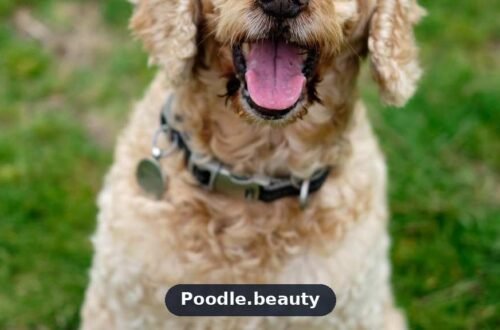
The Labradoodle exists because one man needed a dog that did not yet exist. In 1989, Wally Conron, breeding manager at the Royal Guide Dogs Association of Australia, crossed a Labrador Retriever with a Standard Poodle to produce a guide dog for a blind client whose husband was allergic to dog hair. The Labrador brought trainability and steadiness, and the Poodle brought the low shedding coat.
The experiment worked, and then it escaped the guide dog world entirely. Demand exploded, breeding outran any standard, and the name came to cover everything from a first cross puppy that sheds like a Labrador to a carefully bred multigenerational Australian Labradoodle with a predictable fleece coat. Those two dogs can be very different animals.
Understanding that split is the key to this whole guide.
Australian Labradoodle vs First-Cross Labradoodle
Most Labradoodles sold today are early generation crosses. An F1 has one Labrador parent and one Poodle parent, and an F2 or F1b comes a generation later. These dogs are often wonderful, but nothing about them is standardized: size, coat, and even energy level vary puppy to puppy, and some first cross dogs shed heavily.
The Australian Labradoodle is something more specific. It descends from multigenerational lines developed in Australia in the 1990s, principally at the Rutland Manor and Tegan Park breeding programs. Breeders bred Labradoodle to Labradoodle for generation after generation, selecting for coat, temperament, and soundness, and some lines include small amounts of other breeds, including Cocker Spaniel, far back in the pedigree.
Associations such as the Worldwide Australian Labradoodle Association (WALA) and the Australian Labradoodle Association of America now keep registries and breeding standards for these lines. That paperwork matters less than what sits behind it: documented pedigrees and health testing across generations.
The practical difference is consistency. Australian Labradoodles tend to have predictable coats, sizes, and temperaments and usually cost more, while first cross dogs cost less and gamble more. Neither is automatically the better dog, but you should know which one you are actually buying, because sellers do not always volunteer the distinction.
Sizes
Because only the Australian lines follow a shared standard, size labels vary between breeders. Most work with three rough categories based on the Poodle influence behind the dog.
- Miniature: roughly 15 to 30 pounds. Fits smaller homes when paired with an active lifestyle.
- Medium: roughly 30 to 45 pounds. The middle ground most families aim for.
- Standard: roughly 45 to 65 pounds or more. A sturdy, athletic dog that needs real room to move.
Predictions are educated guesses, especially in early generations. Puppies in the same first cross litter can mature at noticeably different weights. Ask about the adult weights of previous litters, and treat any exact promise with suspicion.
Temperament: Big, Friendly, Busy
Expect a social, people oriented dog that treats strangers as friends it has not met yet. Labradoodles are affectionate without much clinginess, stay playful well into adulthood, and generally do well with children and other dogs. Both parent breeds contribute brains: the Poodle brings sharp problem solving and the Lab brings an eagerness to please, so most Labradoodles learn fast.
The honest caveat is energy. Labradoodles are usually more energetic than their cousins the Goldendoodles, and the Labrador enthusiasm can be a lot of dog in the first two years. A bored Labradoodle invents its own entertainment, and owners consistently report the same symptoms: chewed shoes, excavated gardens, and confident counter surfing.
This is not a flaw to train away so much as a budget to plan for. Homes that build the dog’s exercise and company into the day rarely see the destructive version. Homes that hope the dog will simply calm down on its own usually meet it.
Exercise: The Non-Negotiable Budget
Plan on one to two hours of activity a day for a healthy adult, split across the day rather than saved for one weekend marathon. A slow stroll around the block does not count. Brisk walks, fetch, swimming, and free running are the currency this mix actually accepts.
Swimming deserves special mention, because both parent breeds are water dogs. Many Labradoodles take to water instantly and will retrieve until your arm gives out. If you live near a lake, a river, or a beach, you own a built in exercise program.
Mental work tires this mix faster than mileage does, and training games, puzzle feeders, and scent work all drain the battery efficiently. An exercised Labradoodle is an easy dog, and a bored one redecorates. The ASPCA’s dog care resources offer practical guidance on building a routine that fits a working schedule.
Coats: Hair, Fleece, and Wool
Three coat types cover the range. The hair coat is straight and sheds much like a Labrador’s.
The fleece coat is soft and wavy with light shedding, and it is the coat most buyers picture. The wool coat is dense and curly, closest to a Poodle’s, and sheds the least of the three.
Where a puppy lands on that spectrum depends heavily on generation. First cross coats are the least predictable and can arrive anywhere from full shedding hair to proper fleece. Later generations, and Australian lines in particular, cluster much more reliably at the fleece and wool end.
And the allergy question, answered plainly: no dog is truly hypoallergenic, Labradoodles included. Low shedding fleece and wool coats spread less dander, and plenty of allergy sufferers live comfortably with them, but individual reactions vary too much for promises. Our explainer on whether Poodles are hypoallergenic covers how to test your own reaction before you commit.
Grooming
Low shedding does not mean low maintenance. Fleece and wool coats mat quietly at the skin if they are neglected, so brush three to four times a week with a slicker brush, working all the way down rather than skimming the surface. During the puppy to adult coat change, daily brushing is worth the effort.
Most owners book a professional groomer every six to eight weeks. Between appointments, check the ears weekly: floppy, hairy ear canals trap moisture and debris, and ear infections are among the most common complaints in this mix. Trim nails every few weeks and brush teeth several times a week if you can manage it.
Training and the Service Dog Legacy
Training is where the Labradoodle’s origin story still shows. The mix was created for guide work, and Labradoodles still serve as service dogs, therapy dogs, and assistance dogs around the world. They are food motivated like Labradors, quick witted like Poodles, and unusually tuned in to human moods.
Start early and keep sessions short, upbeat, and consistent. Puppy classes earn their fee on socialization alone, because a well socialized puppy becomes a confident adult, while an under socialized one often turns jumpy and overexcited around strangers. The AKC’s Standard Poodle page gives useful background on the sharper, more sensitive parent behind that trainability.
Health and Lifespan
Labradoodles typically live 10 to 15 years, with smaller dogs often reaching the upper end and large Standards trending lower. Our Poodle mix lifespan overview shows how this mix compares with the rest of the doodle family.
The predispositions come from both parent breeds, and responsible breeders screen for them. The main ones to know:
- Hip and elbow dysplasia, joint malformations that can progress to arthritis
- Progressive retinal atrophy, an inherited eye disease that can lead to blindness
- Ear infections, courtesy of floppy, hairy ear canals
- Hypothyroidism and Addison’s disease, both manageable when caught early
- Obesity, because the Labrador appetite is hereditary and deeply persuasive
Weight deserves emphasis. A Labradoodle allowed to graze will gain fast, and extra pounds load already vulnerable joints. Measure meals, count treats honestly, and keep the exercise budget intact.
The VCA Hospitals Poodle profile details the inherited risks on the Poodle side, and our own guide to Poodle health problems goes deeper on screening questions to ask a breeder.
Cost and Finding One Without Regrets
First cross and early generation puppies typically sell for $1,000 to $2,500. Multigenerational Australian Labradoodles from established, health testing programs commonly run $2,500 to $4,000. Doodle rescues rehome Labradoodles of every generation for a few hundred dollars, and an adult dog removes the coat and size guesswork entirely.
Before paying any deposit, run this checklist:
- Which generation and lines is this puppy, in writing?
- Can I see hip, elbow, and eye results for both parents, plus DNA screening?
- Can I meet at least the mother, and see where the puppies are raised?
- What does the breeder say honestly about shedding in these lines?
- Will the breeder take the dog back at any age if my circumstances change?
A breeder who answers all five without flinching is worth the waitlist. A breeder who promises a guaranteed non-shedding puppy and cannot show test results is telling you what you need to know.
Frequently Asked Questions
Are Labradoodles hypoallergenic?
Not truly, and neither is any other dog. Many Labradoodles, especially fleece and wool coated ones, shed very little, and lots of allergy sufferers live comfortably with them. Reactions vary by person and by dog, so spend time around the breed, ideally with the puppy’s parents, before committing.
What is the difference between a Labradoodle and an Australian Labradoodle?
A standard Labradoodle is usually a first or second generation Labrador and Poodle cross. An Australian Labradoodle comes from multigenerational lines developed in Australia, bred Labradoodle to Labradoodle for consistency, with registries such as WALA tracking pedigrees and standards. The Australian dogs are typically more predictable in coat and size, and more expensive.
How much exercise does a Labradoodle need?
About one to two hours a day for a healthy adult, mixing physical activity such as brisk walking, fetch, or swimming with mental work like training games. Puppies need less, built up gradually while their joints develop. Skimping on the budget is the most common cause of destructive behavior in this mix.
Do Labradoodles bark a lot?
They are moderate barkers. Most will alert you to visitors or strange noises and then settle. Persistent barking in a Labradoodle is usually a symptom of boredom or under exercise rather than a breed trait, so check the daily routine before reaching for bark collars or complaint forms.
How long do Labradoodles live?
The typical range is 10 to 15 years. Smaller Labradoodles often live longer than large Standards. Healthy weight, real daily exercise, and routine veterinary care are the factors most within an owner’s control for reaching the top of that range.