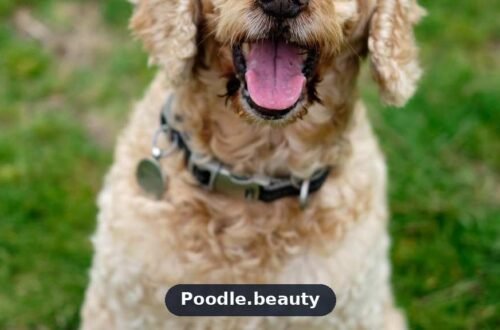
F1, F1b, F2, multigen. Goldendoodle listings read like algebra homework, and those labels matter far more than the photos do. They describe how much Poodle is actually in the dog, and that drives the coat, the shedding, and often the price.
Decode the generations first and most Goldendoodle confusion disappears. This guide does exactly that, then covers coats and shedding honestly, sizes, temperament, the real grooming workload, health risks from both parent breeds, and what ownership actually costs.
The Generations, Decoded
An F1 Goldendoodle is a first cross: one Golden Retriever parent and one Poodle parent, roughly 50 percent each. This is the classic teddy bear doodle, and it is also the least predictable. Coats range from nearly straight to wavy, and shedding varies from puppy to puppy in the same litter.
An F1b is an F1 Goldendoodle bred back to a Poodle, which makes the puppies about 75 percent Poodle. Coats run curlier, and on average these dogs shed the least of the common generations. That is why allergy conscious buyers chase the F1b label, though the label is an average, not a promise.
An F2 is an F1 bred to another F1. The genes reshuffle all over again, so F2 litters show the widest spread of all, including occasional puppies that look and shed almost like pure Golden Retrievers. Breeders sometimes call those throwbacks, and they are the reason generation alone never settles the shedding question.
Multigenerational, or multigen, Goldendoodles come from doodle to doodle breeding over several generations, with breeders selecting for coat and temperament each time. Done carefully, this produces the most consistent puppies. Done carelessly, it is just a fancier label, so ask what the breeder actually selects for.
Here is the part many sellers skip. No generation label can promise you a non-shedding dog. Labels shift the odds, and they never remove the variation inside a litter, so any breeder who guarantees a coat is selling you certainty that genetics does not offer.
Coat Types and the Shedding Truth
Three coat types appear across all generations. Wavy coats are the most common, with the soft, shaggy look most people picture. Curly coats resemble a Poodle’s tight curls and shed the least.
Straight or flat coats take after the Golden Retriever and shed the most, sometimes nearly as much as a pure Golden.
Puppy coats are not the finished product. The adult coat comes in over the first year, and a soft, straightish puppy can mature into a wavy adult, or the reverse. If coat matters to you, look at the parents and at the breeder’s previous litters, not just the eight week old puppy in front of you.
Now the honest part: Goldendoodles are low shedding compared with a Golden Retriever, but low is not none, and it varies by coat type and generation. No dog is truly hypoallergenic, because every dog produces dander and saliva proteins that trigger allergies. Our guides on how Poodle shedding works and the truth about hypoallergenic claims walk through the science in plain language.
Sizes: Miniature, Medium, Standard
Size follows the Poodle parent. Most breeders work with three rough categories, and the ranges overlap more than the tidy labels suggest.
- Miniature: 15 to 30 pounds and 13 to 20 inches tall. Suits smaller homes, provided the exercise still happens.
- Medium: 30 to 45 pounds and 17 to 21 inches tall. The middle ground many families choose.
- Standard: 45 to 70 pounds or more and 21 to 24 inches tall. A true big dog with a big appetite for play and food alike.
Treat every estimate as a range, not a contract. A puppy from two medium parents can still finish at 55 pounds. Ask the breeder for the adult weights of previous litters from the same pairing, which is the best evidence available.
Temperament: Friendly First, With One Catch
Goldendoodles are deeply social dogs. They bond hard with their families, follow their people from room to room, and want a role in everything happening in the house. That warmth is the Golden Retriever inheritance, and you can read the parent breed’s profile on the AKC’s Golden Retriever page.
They are gentle with children and usually friendly with strangers and other dogs. The Poodle side adds sharp brains and a playful streak, so they learn new commands quickly and love games that make them think.
The catch is attachment. Separation anxiety is common in this mix, and a Goldendoodle left alone all day may bark, chew furniture, or redecorate out of loneliness rather than spite. This mix does best in homes where someone is around for most of the day, or where dog walkers and daycare fill the gaps.
Exercise Needs
Plan on 45 to 60 minutes of real activity a day for most adults, with Standards at the top of that range and Miniatures a little below it. Walks are the base, but fetch, swimming, and free running burn the energy that a leash walk alone leaves behind.
Mental exercise counts double for this mix. Puzzle feeders, short training games, and scent work tire a Goldendoodle in a way that pure mileage does not. An under exercised Goldendoodle rarely becomes aggressive, but it does become a chewer, a jumper, and a four legged household project.
The Grooming Workload Is Real
The coat that sheds less also mats more, and this trade surprises new owners every year. Brush two to three times a week with a slicker brush, working down to the skin where tangles actually start. Surface brushing over a matted undercoat is the classic beginner error.
Most owners book a professional groomer every six to eight weeks for a bath, trim, and tidy up. Expect roughly $60 to $100 or more per session in many areas, depending on size and coat length. Many families keep the coat clipped fairly short simply because it halves the brushing burden.
Floppy ears trap moisture, so check and clean them weekly to head off infections. Add regular nail trims and teeth brushing to the routine and the grooming picture is complete.
Training a Goldendoodle
This is one of the easiest mixes to train. Both parent breeds are bright and eager to please, and most Goldendoodles pick up house training and basic cues quickly with consistent practice. Start socialization early, because the confident adult dog is built in the first months.
Use positive reinforcement: treats, praise, play. Harsh corrections backfire with this sensitive mix and can erode the trust that makes them so easy to live with. Redirect jumping and mouthiness calmly and consistently in young dogs, and the habits rarely survive into adulthood.
Health: Risks From Both Sides
Goldendoodles are generally healthy dogs, but they can inherit conditions from either parent breed. These are predispositions, not certainties, and health tested parents shift the odds in your favor.
Hip dysplasia affects both Goldens and Poodles, so ask for hip scores on both parents before anything else. Elbow dysplasia and progressive retinal atrophy also appear in these lines. The VCA Hospitals Poodle profile details several of the inherited concerns on the Poodle side.
From the Golden side, heart conditions such as subvalvular aortic stenosis and a higher than average cancer rate in the breed are worth knowing about. Deep chested Standards carry a bloat risk, and floppy, hairy ears make ear infections a recurring theme. Our overview of Poodle health problems covers the shared risks, and the ASPCA’s dog care guidance covers the preventive basics every owner should follow.
Lifespan and Real Costs
Most Goldendoodles live 10 to 15 years. Smaller dogs tend toward the upper end, which is the usual pattern across sizes. Lean weight, real exercise, and regular preventive vet care are the levers owners actually control.
Breeder prices typically run from $1,500 to $5,000. Health tested parents, smaller sizes, and fashionable colors push prices up, though color should never be the thing you pay a premium for. Rescue through a doodle specific organization usually costs a few hundred dollars and skips the wildest puppy months entirely.
Budget past the purchase price. Grooming every six to eight weeks, quality food for a medium to large dog, insurance, and vet care add up to a serious yearly commitment. Owners who price the whole dog, not just the puppy, make better decisions.
Common Goldendoodle Mistakes
- Buying on color. Temperament and health testing matter for fifteen years. The shade of the coat matters for none of them.
- Believing a non-shedding guarantee. Choose the puppy whose actual coat suits you, and get shedding claims in context, not in writing as a promise.
- Underestimating grooming. Skipping brushing for a month ends in a shaved dog and a hard conversation at the groomer.
- Leaving a puppy alone all day. This mix is wired for company, and loneliness is the root of most behavior complaints.
- Skimping on socialization. The friendly adult Goldendoodle is made, not born, in the first four months.
Frequently Asked Questions
Are Goldendoodles hypoallergenic?
No, because no dog is completely hypoallergenic, and Goldendoodles are no exception. They are low shedding, especially curly coated F1b dogs, which means less loose hair and dander around the house. If allergies are in play, spend time with the specific dog, and ideally its parents, before committing.
What is an F1b Goldendoodle?
An F1b is the puppy of an F1 Goldendoodle and a Poodle, making it about 75 percent Poodle. These dogs usually have curlier coats and shed less than F1s, which is why allergy conscious buyers often prefer them. Individual puppies still vary, so the label is a probability, not a guarantee.
How big do Goldendoodles get?
Miniatures finish at 15 to 30 pounds, mediums at 30 to 45, and Standards at 45 to 70 pounds or more. Parent sizes and previous litter weights are the best predictors. If a breeder promises an exact adult weight, be skeptical.
Do Goldendoodles shed a lot?
Most shed lightly to moderately, far less than a pure Golden Retriever. Curly coats shed the least, wavy coats shed a little, and straight coats shed the most. Regular brushing keeps loose hair in the brush instead of on the furniture.
Are Goldendoodles good for first-time owners?
Yes, provided you commit to the training, exercise, and grooming. Their friendliness and trainability forgive beginner mistakes, and our comparison with the Labradoodle guide shows where the two big doodles differ. The honest condition is time: this mix needs company, coat care, and daily activity, every week of its life.