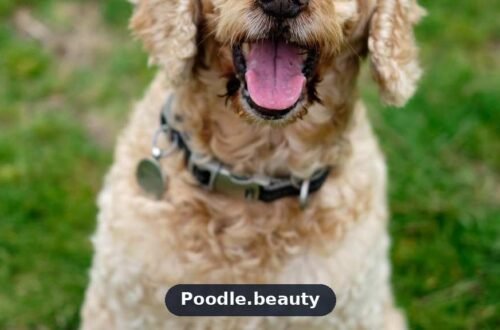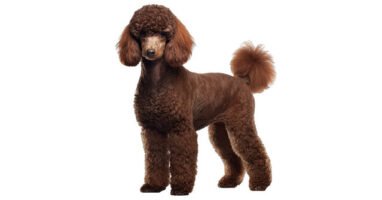
There is no single dog called a terrier poodle mix. That phrase covers a whole family of crosses, and which terrier is in the mix matters more than the poodle half. A Yorkiepoo and a Jackapoo are both terrier poodle mixes, but they are about as similar as a house cat and a lynx.
So this guide works differently from most. Instead of pretending there is one predictable dog, it walks through the terrier parents that change the picture most, then covers the shared ground: prey drive, the famous stubborn streak, grooming, health, and daily care.
One Name, Many Very Different Dogs
Every terrier poodle mix pairs a poodle (Toy, Miniature, or Standard) with a terrier breed. Terriers were built to hunt rats, foxes, and other vermin, often underground and usually alone. That job selected for courage, persistence, quick reactions, and a dog that makes its own decisions.
The poodle softens some of that. Poodles are people-focused, quick to learn, and bring the curly, lower-shedding coat most buyers are hoping for. The result is usually a mix that is easier to live with than a pure terrier, but never a pushover.
Size is the first fork in the road. Toy poodle crosses with small terriers can stay under 10 pounds, while a Standard poodle crossed with an Airedale can pass 50 pounds.
Always ask which terrier breed and which poodle size produced a litter, because those two answers predict more than any breeder description.
The Terrier Parents That Change Everything
Yorkshire Terrier: the Yorkiepoo
The Yorkiepoo is the lap-sized member of the family. Yorkies are bold far beyond their size, affectionate, and often vocal, and the cross tends to keep all three traits. Expect a small dog that bonds hard to one or two people and wants to be involved in everything.
Watch two things. Yorkiepoos can be barky if nobody sets limits early, and their closeness can tip into anxiety when left alone. Our breakdown of poodle barking habits explains the triggers that apply just as much to this cross.
West Highland White Terrier: the Westiepoo
Westies bring a sturdier, more easygoing character than most terriers. Westiepoos are typically cheerful, confident, and good with visitors, with a wavy or curly coat that needs regular brushing. They are often the best fit in this family for households with children.
The terrier independence is still there, just turned down a notch. A Westiepoo will happily join your plans, then quietly go and dig a hole anyway.
Jack Russell Terrier: the Jackapoo
The Jackapoo is the athlete of the group and the one most often underestimated. Jack Russells are intense, driven hunting dogs in a small frame, and crossing one with a clever poodle produces a dog that needs a job. Agility, flyball, hiking, and scent work suit them well.
Choose this cross only if you genuinely enjoy training and daily activity. A bored Jackapoo does not mope. It redecorates.
Larger terriers: Airedales and Wheatens
Standard poodles are also crossed with Airedale Terriers and Soft Coated Wheaten Terriers, producing bigger, stronger mixes in the 40 to 60 pound range. These dogs keep the terrier confidence and prey instinct at a size where poor manners become a real problem, so training is not optional.
The AKC’s Yorkshire Terrier profile and its pages for the other terrier breeds give a fair sense of how much the parent breeds differ from each other.
Temperament: Bold, Bright, and Not Always Biddable
Across the family, expect an alert, playful dog that wants to be in the middle of household life. These mixes notice everything. A delivery driver, a squirrel two gardens away, a biscuit tin opening in another room: all of it gets reported to you.
The poodle side brings eagerness and sensitivity, which helps. Most terrier poodle mixes read their owners well and respond beautifully to praise and food rewards. Our guide to poodle temperament covers that side of the inheritance in depth.
The terrier side brings opinions. These dogs test rules, especially as adolescents, and a rule that is enforced on Monday but ignored on Tuesday will be treated as a suggestion by Friday.
Managing Prey Drive
Prey drive is the trait new owners least expect and most need a plan for. Terriers were bred to chase and grab small animals, and poodle mixes inherit that wiring in varying strength.
Practical management looks like this:
- Keep the dog on a lead anywhere near roads, livestock, or wildlife, no matter how good the recall seems at home.
- Treat recall as a long-term project. Train it daily with high-value rewards, and never call the dog away from a chase and then punish the return.
- Give the chase instinct a legal outlet: flirt poles, fetch, and scent games burn off the urge in a controlled way.
- Supervise garden time if your dog can see cats or squirrels through the fence. Fence-line frustration builds fast.
- Introduce cats and small pets carefully and slowly. Some terrier mixes live peacefully with them, but early meetings should always be controlled.
None of this means the dog is badly behaved. It means the dog is doing exactly what two hundred years of breeding asked for, and your job is to channel it rather than fight it.
Training Out the Stubborn Streak
The stubbornness in these mixes is rarely defiance. It is usually a smart dog deciding your request is less interesting than something else. That makes the fix straightforward: be more interesting, and be consistent.
Keep sessions short, around five to ten minutes, and end while the dog is still keen. Use food rewards worth working for, not the same dry biscuit that sits in the bowl all day. Train before meals, when motivation is highest.
Teach a small set of core behaviours really well rather than twenty tricks badly: recall, loose-lead walking, settle on a mat, leave it, and a reliable wait at doors. Those five cover most of daily life. The AKC’s poodle profile notes how quickly poodles learn, and the terrier half learns just as fast when the reward is right.
Socialisation matters too. Get puppies out to see traffic, children, other dogs, and handling by strangers early, so the terrier confidence grows into steadiness instead of reactivity.
Exercise and Daily Life
Most terrier poodle mixes need 45 to 60 minutes of activity a day, split between walks and play. Jackapoos and the larger crosses sit at the top of that range or beyond it. Smaller Yorkiepoos manage with less distance but still need games and training to stay sane.
Mental work counts heavily. Ten minutes of scent games or trick training tires these dogs in a way a slow pavement walk never will. The daily targets in our poodle exercise guide are a good baseline for the poodle half of the cross.
Coat and Grooming
Coats in this family vary from the poodle’s tight curls to a wirier, terrier-influenced texture, sometimes in the same litter. Most are lower shedding than a pure terrier, but lower shedding is not no shedding, and no terrier poodle mix is guaranteed hypoallergenic. Dander, saliva, and individual sensitivity all play a part, so allergy sufferers should spend real time with a dog before committing.
Whatever the texture, the coat needs work. Brush two or three times a week to stop tangles becoming mats, and book a professional trim every six to eight weeks for curly coats. Wiry coats may need hand stripping or regular clipping to keep their texture tidy.
Health Risks From Both Sides
A terrier poodle mix can inherit health risks from either parent breed, so a breeder who health tests both parents is the single best protection you can buy. Risks seen across this family include patellar luxation in the smaller crosses, hip dysplasia in the larger ones, progressive retinal atrophy and other eye conditions, skin allergies, and dental crowding in toy-sized dogs.
None of these are certainties. They are possibilities worth screening for and watching for.
Regular vet checks, a healthy weight, and dental care from puppyhood stack the odds in your dog’s favour. Lifespan typically runs 12 to 15 years for the smaller mixes, and our poodle mix lifespan guide explains what moves that number up or down.
Who This Family Suits
Terrier poodle mixes suit owners who want a dog with spark: people who enjoy training, playing, and being actively involved with their dog. They fit apartments and houses equally well when exercise and training needs are met.
They are a poor match for anyone wanting a calm, low-effort dog, or a household where the dog will be left alone all day. The ASPCA’s dog care pages give an honest picture of the daily commitment any dog in this family needs. If that commitment sounds like fun rather than work, you are the right audience for this family of crosses.
Frequently Asked Questions
Which terrier poodle mix is calmest?
The Westiepoo is usually the most easygoing of the common crosses, thanks to the Westie’s steadier temperament. Yorkiepoos are calmer than Jackapoos but more vocal. No member of this family is truly low energy, so choose based on the terrier parent, not the marketing.
Do terrier poodle mixes shed?
Most shed lightly, and some barely shed at all, but it depends on the coat each puppy inherits. Wiry terrier-type coats shed more than tight poodle curls. No mix is completely non-shedding, and none is guaranteed safe for allergy sufferers.
Are terrier poodle mixes hard to train?
They learn fast, which is not the same as being easy. The intelligence is real, but so is the independent streak. Short, reward-based sessions and consistent rules produce excellent results; sporadic training produces a dog that trains you instead.
How big do terrier poodle mixes get?
Anywhere from under 10 pounds to over 50 pounds, depending on the terrier breed and poodle size in the cross. A Yorkiepoo stays tiny, while an Airedale and Standard poodle cross is a substantial dog. Ask to see both parents before you commit.
Do terrier poodle mixes get along with cats?
Many do, especially when raised with cats from puppyhood, but the terrier prey drive means introductions must be slow and supervised. A mix that chases unknown cats outdoors may still be gentle with the household cat it grew up with. Never assume; test carefully.