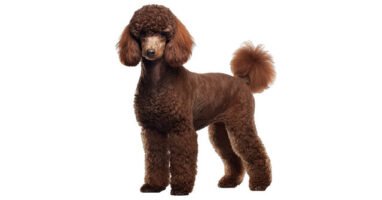
Miniature Poodles grow in a pattern that catches owners out twice. First the puppy seems to double in size every time you blink. Then, just as you settle into the routine, growth appears to stop months before the first birthday, and a new worry arrives: has something gone wrong?
Almost always, nothing has. Miniatures front load their growing, sprint through the middle months, and then level off in a long, quiet plateau while muscle and maturity catch up. This chart follows a Miniature month by month so you can see where your puppy sits and what each stage actually demands from you.
The Adult Target
An adult Miniature Poodle stands over 10 inches and up to 15 inches at the shoulder, and typically weighs 10 to 15 pounds. That is the range in the AKC breed standard, and most well bred Miniatures land inside it.
Where inside the range your puppy finishes depends mostly on its parents. A puppy from two 12 pound parents rarely becomes a 15 pound adult, whatever the feeding plan says. Keep that in mind before worrying over a puppy tracking the lower half of the chart.
Month by Month: The Miniature Growth Chart
Figures below are typical ranges, not targets to hit. Sex, lineage, and individual variation spread real puppies across and occasionally outside these bands.
| Age | Typical weight | Typical height | What is happening |
|---|---|---|---|
| 2 months | 3 to 5 pounds | 6 to 8 inches | Settling in at home, growing fast |
| 3 months | 5 to 7 pounds | 8 to 9 inches | First real growth spurt under way |
| 4 months | 6 to 9 pounds | 9 to 10 inches | Peak growth months begin |
| 5 months | 7 to 10 pounds | 10 to 11 inches | Legs lengthen, body looks gangly |
| 6 months | 8 to 12 pounds | 10 to 13 inches | Roughly three quarters grown |
| 7 months | 9 to 13 pounds | 11 to 13 inches | Growth noticeably slows |
| 8 months | 10 to 14 pounds | 11 to 14 inches | Close to adult height for most |
| 9 months | 10 to 14 pounds | 11 to 14 inches | Height nearly finished |
| 10 months | 10 to 15 pounds | 12 to 15 inches | Plateau stage, frame filling out |
| 11 months | 10 to 15 pounds | 12 to 15 inches | Muscle replaces puppy softness |
| 12 months | 10 to 15 pounds | 10 to 15 inches | Adult size reached for most |
For the same numbers across all three varieties side by side, the all sizes poodle growth and weight chart is the companion page to this one.
The Growth Spurts: Months Three to Six
The engine room of Miniature growth is the stretch between three and six months. Puppies commonly gain a pound or more a month through this window, legs lengthen faster than the body deepens, and the puppy who fit your hand in March looks faintly ridiculous by May.
Appetite surges along with the growth. This is not greed and it is not a cue to free feed. It is a cue to keep measured meals coming on schedule and to weigh weekly, because this is the phase where portions most often drift out of date.
Expect the coat to misbehave too. The soft puppy coat starts giving way to the denser adult coat during these months, and texture changes can make a puppy look scruffier than it is growing badly.
The Plateau: Months Eight to Eleven
Somewhere around eight or nine months, the scale goes quiet. Height gains shrink to fractions of an inch, weight creeps rather than climbs, and owners who have watched weekly progress for months start to fret.
The plateau is the plan, not a problem. Miniatures finish their height early compared with larger dogs, then spend the plateau converting a light, narrow frame into an adult one. Chest depth, muscle over the shoulders and hindquarters, and plain maturity all arrive during months when the tape measure barely moves.
Judge a plateau puppy by body condition and energy, not by the calendar. A bright puppy holding steady weight with ribs easy to feel is developing exactly on schedule.
When Is a Miniature Actually Done Growing?
Height is typically complete between nine and ten months, with a few late developers adding a final fraction by twelve. Weight and condition keep adjusting until twelve to fourteen months as muscle replaces the last of the puppy softness.
After fourteen months, further weight gain is almost never growth. It is condition, which is a polite word for fat unless your dog has genuinely been building muscle through work. That distinction matters, because Miniatures are champion beggars and the breed gains quietly under all that coat.
Wondering what comes after the growing is done? Our Miniature Poodle breed guide covers adult temperament, care, and health, and our look at how long poodles live explains why keeping the adult weight honest pays off for years.
Feeding a Miniature Through the Growth Year
Meal frequency matters as much as the food itself in the early months. Young puppies run on small stomachs and fast metabolisms, so spread the day’s ration out.
A workable rhythm for most Miniature puppies: four small meals a day up to about three months, three meals from three to six months, then two meals a day from six months onward. Adjust the total against body condition, not against the puppy’s opinion, which will always vote for more.
Choose a complete puppy food suited to small or medium breeds and measure it rather than eyeballing. Our guide to the best dog food for Poodles explains how to read labels and compare options without falling for marketing.
Most Miniatures can move to adult food somewhere between ten and twelve months, once height growth is clearly finished. Make the switch gradually over a week or so, mixing increasing amounts of the new food in. Your vet may nudge the timing either way based on your puppy’s condition, and their call wins.
Feeding Mistakes That Distort Growth
The classic error is feeding for the weight you hope the puppy reaches rather than the puppy in front of you. Overfeeding does not produce a bigger framed dog. It produces a fat puppy with stressed joints.
The second error is tidbit creep. Training treats, dental chews, and family members quietly supplementing meals can add a fifth meal to the day without anyone noticing. Count treats inside the daily ration, especially during the heavy training months.
The third is panic feeding during the plateau. A puppy who stops gaining at nine months is finishing, not failing, and extra food at that point goes to the waistline.
Checking Growth at Home
Weigh your Miniature weekly during the first six months and every two to four weeks after that. The hold and subtract method on a bathroom scale works well at this size: weigh yourself with the dog, then without, and subtract.
Measure height monthly at the withers, the top of the shoulder blades, with the dog standing square on a hard floor. A book rested level across the shoulders and marked against a wall beats chasing a wriggling puppy with a tape.
Keep the log somewhere you will actually use it. Vet visits become far more productive when you can show a three month trend instead of saying the puppy seems smaller than the neighbour’s.
What Slows or Skews a Miniature’s Growth
Parasites head the list. Worms are common in puppies, easily treated, and perfectly capable of flattening a growth curve while the puppy still looks cheerful. Stay current with the deworming schedule your vet sets.
Illness, a poor quality diet, and chronic digestive trouble can all do the same. So can simple underfeeding in a busy household where meals get missed or a bolder dog steals shares.
Sex and sterilisation timing play smaller roles. The AVMA’s overview of spaying and neutering explains how removing sex hormones before growth plates close can add a touch of height. In Miniatures the effect is modest, and the timing conversation belongs with your vet.
When the Chart Should Send You to the Vet
Book a visit if your puppy loses weight, gains nothing at all across a month during the three to six month spurt, or drifts far outside the chart ranges and stays there. Go sooner for limping, low energy, a dull coat, or digestive upset that does not settle.
VCA Hospitals’ poodle profile notes the breed’s general hardiness, but individual puppies write their own stories. A vet who can examine your puppy will always outrank a chart, including this one.
Frequently Asked Questions
How big will my Miniature Poodle get?
Most adults stand 10 to 15 inches at the shoulder and weigh 10 to 15 pounds. Your puppy’s parents are the best clue to where it lands in that range. Puppies from smaller parents almost always finish smaller.
At what age do Miniature Poodles stop growing?
Height is usually finished by nine to ten months. Weight and muscle keep maturing until roughly twelve to fourteen months, and after that the scale should hold steady.
Is it normal for my puppy’s growth to stall for a few weeks?
Yes. Growth comes in spurts separated by quiet patches, and a pronounced plateau from about eight months is the normal pattern for this variety. Worry about lost weight or lost appetite, not about a level few weeks.
How much should a six month old Miniature Poodle weigh?
Typically somewhere between 8 and 12 pounds, which is around three quarters of adult weight for most Miniatures. A pound or so either side is unremarkable, especially at the small and large ends of the breed.
Can I make my Miniature grow bigger with extra food?
No. Frame size is set by genetics, and extra food past need becomes fat, not height or bone. Overfeeding a growing puppy also loads developing joints. Feed for steady condition and let the genes decide the dimensions.





2 Comments on “Miniature Poodle Growth Chart: Weight & Size by Age”