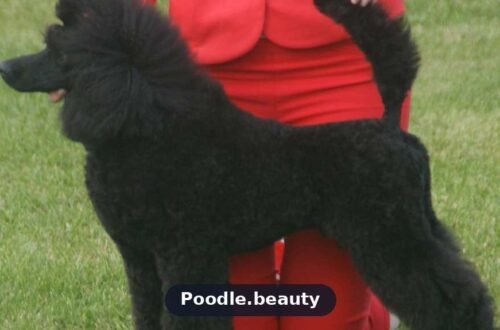
Considering a Poodle for your next furry family member? These elegant dogs are often celebrated for their intelligence and distinctive appearance, yet like any breed, they come with a unique set of advantages and disadvantages.
Understanding the Pros and Cons of Owning a Poodle is crucial for making an informed decision about whether this beloved breed is the right fit for your home and lifestyle. From their captivating personalities to their specific care requirements, a Poodle truly demands a thoughtful commitment from their human companions.
Let’s explore what it genuinely means to live with one of these remarkable dogs.
The Allure of the Poodle: Key Advantages
Poodles are much more than just their iconic haircuts. They possess a range of qualities that make them incredibly appealing companions for many different types of households. These dogs can enrich lives in numerous ways, offering deep companionship and endless entertainment. Their unique characteristics often surprise those who only know them by their show-ring reputation.
Exceptional Intelligence and Trainability
Poodles consistently rank among the most intelligent dog breeds. This sharp intellect means they pick up new commands and tricks with remarkable speed. They thrive on mental stimulation, eagerly participating in training sessions and problem-solving games. Their desire to please their owners, combined with their quick understanding, makes them a joy to train.
This high intelligence also translates into incredible versatility. Poodles excel in various dog sports, including obedience, agility, rally, and even hunting trials. Their keen minds allow them to adapt quickly to different situations and learn complex tasks. Many Poodle owners find that their dogs genuinely enjoy learning and working alongside them, fostering a strong bond.
The Hypoallergenic Coat Myth (and Reality)
One of the most significant draws for many prospective owners is the Poodle’s coat. While no dog is truly 100% hypoallergenic, Poodles are often considered a good choice for people with allergies because they shed very little dander. Their curly, dense coats trap loose hair and dander, preventing it from spreading throughout the home. This characteristic can significantly reduce allergic reactions for sensitive individuals.
It is important to remember that individual reactions vary, and spending time with a Poodle before committing is always wise. However, for many allergy sufferers, a Poodle offers the joy of dog ownership without the constant sneezing and itching. This unique coat characteristic has made them incredibly popular in homes where allergies are a concern.
Versatility in Size and Temperament
Poodles come in three distinct sizes: Standard, Miniature, and Toy. This offers potential owners a fantastic range of options to suit their living situation and preferences. A Standard Poodle, standing over 15 inches tall, is a robust and athletic companion perfect for active families. Miniature Poodles, between 10 and 15 inches, are energetic yet compact, fitting well into smaller homes. Toy Poodles, under 10 inches, are delightful lap dogs, ideal for apartment living or those seeking a small, portable companion.
Despite their size differences, all Poodles share a common intelligent, playful, and affectionate temperament. They are known for being devoted to their families and can be surprisingly good with children when properly socialized. This adaptability across sizes means there’s likely a Poodle that can integrate seamlessly into almost any household.
Lifespan and Health
Poodles, particularly the smaller varieties, generally enjoy a relatively long lifespan. Toy Poodles often live 12-15 years, Miniatures 12-15 years, and Standards 10-12 years. This means you can look forward to many years of companionship with your Poodle. Responsible breeding practices have also contributed to healthier lines, though specific health concerns exist within the breed.
By choosing a reputable breeder who conducts thorough health screenings, you can significantly increase the chances of getting a healthy puppy. A long-lived companion means more cherished memories and a lasting presence in your family. This longevity is a significant pro for anyone seeking a long-term commitment with a pet.
Affectionate and Loyal Companions
Poodles are deeply affectionate dogs who form strong bonds with their families. They thrive on human interaction and love to be involved in household activities. These dogs are not content to be left alone in the yard; they want to be right by your side, whether you’re watching TV or going for a walk. Their loyalty is unwavering, and they often become very protective of their loved ones.
Many Poodle owners describe their dogs as having a keen sense of humor and a playful spirit, even into their senior years. They enjoy cuddling, playing games, and simply being close to their people. This deep connection makes them wonderful emotional support animals and cherished family members. The joy they bring through their devotion is truly immeasurable.
Navigating the Challenges: Potential Disadvantages
While Poodles offer many wonderful traits, it’s equally important to understand the potential challenges that come with owning one. These dogs require a significant commitment in terms of time, effort, and financial resources. Being prepared for these aspects ensures a happier life for both you and your Poodle.
Demanding Grooming Requirements
The Poodle’s beautiful, non-shedding coat, while great for allergy sufferers, comes with a substantial trade-off: intensive grooming. Their curly hair grows continuously and can quickly become matted and painful without regular care. Most Poodles require professional grooming every 4-6 weeks, which includes bathing, brushing, and clipping. This can be a significant ongoing expense.
Between professional appointments, daily or every-other-day brushing at home is essential to prevent tangles. Neglecting their coat can lead to skin infections and discomfort for the dog. Owners must be prepared for this time commitment and financial investment, as it is a non-negotiable part of Poodle ownership. Proper grooming is vital for their health and well-being.
High Energy Levels and Exercise Needs
Despite their sophisticated appearance, Poodles are active and athletic dogs, especially Standard Poodles. They need a good amount of daily exercise to stay happy and healthy. This isn’t just a quick walk around the block; it often means vigorous play, long walks, runs, or engaging in dog sports. Without adequate physical and mental stimulation, Poodles can become bored, leading to destructive behaviors like chewing or excessive barking.
Even Miniature and Toy Poodles, though smaller, have surprisingly high energy levels for their size. They still enjoy active play and daily outings. Prospective owners must have the time and ability to meet these exercise demands. A bored Poodle is often a mischievous Poodle, and channeling their energy positively is key to a harmonious household.
Potential for Separation Anxiety
Poodles are deeply devoted to their families, which can sometimes manifest as separation anxiety. Because they thrive on human companionship, they can become distressed when left alone for long periods. Symptoms might include destructive chewing, excessive barking, house-soiling, or even self-harm. This isn’t just naughty behavior; it’s a sign of genuine distress.
Addressing separation anxiety requires patience and consistent training. It might involve crate training, gradual desensitization to being alone, and ensuring they have plenty of enrichment when you are away. For individuals who work long hours or travel frequently, a Poodle might not be the best fit unless arrangements can be made for their companionship during the day.
Sensitivity and Need for Gentle Handling
Poodles are intelligent, but they are also quite sensitive dogs. They respond best to positive reinforcement training methods and gentle handling. Harsh corrections or an overly loud environment can easily make a Poodle anxious or fearful. They thrive in a calm, consistent, and loving home where they feel secure. Their sensitive nature means they are very attuned to their owner’s moods and emotions.
This sensitivity also means they might not be the best fit for very chaotic households or those with very young, boisterous children who haven’t learned gentle interaction with pets. A Poodle needs an owner who understands and respects their emotional intelligence, offering reassurance and patience rather than strict discipline. Building trust with a Poodle takes a gentle approach.
Cost of Ownership
Beyond the initial purchase price, owning a Poodle can be quite expensive. As mentioned, professional grooming is a significant ongoing cost, potentially hundreds of dollars each year. High-quality food suitable for an active, intelligent breed is also important. Regular veterinary check-ups, vaccinations, and parasite prevention are standard for any dog, but Poodles can also be prone to certain genetic health conditions.
These potential health issues, such as hip dysplasia, progressive retinal atrophy, or Addison’s disease, can lead to costly treatments. Pet insurance can help mitigate these expenses, but it’s another monthly cost. Factor in training classes, toys, and other supplies, and the total financial commitment for a Poodle owner can be substantial.

Owners should budget carefully for these long-term expenses. The American Kennel Club provides comprehensive breed information, including potential health concerns for Poodles. Learn more about Poodle health from the AKC.
Potential for “Poodle Personality” Stereotypes
Some people mistakenly believe Poodles are aloof or snobby, a stereotype often fueled by their elegant appearance and show-ring presence. While some can be reserved with strangers, a well-socialized Poodle is typically friendly, outgoing, and playful. However, their intelligence can sometimes be misinterpreted as stubbornness or a “diva” attitude if not channeled correctly.
They require consistent training and socialization from a young age to ensure they develop into well-adjusted adults. Without proper guidance, their intelligence can lead them to outsmart their owners or develop undesirable habits. Owners need to be prepared to engage with their Poodle’s mind, providing structure and clear boundaries.
Training and Socialization: Essential for a Well-Adjusted Poodle
Training a Poodle is often a rewarding experience due to their intelligence and eagerness to learn. However, it requires consistency and a commitment to positive reinforcement methods. Early socialization is equally critical to ensure they grow into confident, friendly companions. Neglecting either of these areas can lead to behavioral challenges.
Early Training for Lifelong Habits
Start training your Poodle puppy as soon as you bring them home. Basic obedience commands like “sit,” “stay,” “come,” and “leave it” form the foundation of good behavior. Poodles excel in puppy classes, which provide structured learning and opportunities for socialization. Their quick minds mean they grasp concepts rapidly, but they also need clear, consistent guidance.
Beyond basic commands, consider teaching your Poodle tricks or engaging them in puzzle toys. This mental stimulation is just as important as physical exercise for a Poodle. Without it, they might invent their own “games” that you might not appreciate, such as counter-surfing or opening cabinets. Positive reinforcement, using treats and praise, works wonders with this intelligent breed.
The Importance of Early Socialization
Socialization involves exposing your Poodle puppy to a wide variety of sights, sounds, people, and other friendly dogs in a positive and controlled manner. This helps them develop confidence and prevents fear or aggression towards new experiences later in life. A well-socialized Poodle is generally more adaptable and less prone to anxiety.
Enroll your puppy in a reputable puppy kindergarten class. Arrange supervised playdates with vaccinated, friendly dogs. Introduce them to different environments, like parks, pet-friendly stores, and car rides. The more positive experiences your Poodle has during their formative months, the more well-rounded and confident they will become. This foundation is invaluable for their emotional health.
Poodle Health Concerns: What to Watch For
While Poodles are generally healthy dogs, like all purebreds, they are predisposed to certain genetic conditions. Being aware of these potential issues allows owners to be proactive in their Poodle’s care and work closely with their veterinarian. Responsible breeders will screen their breeding stock for many of these conditions.
Common Genetic Health Issues
Standard Poodles can be prone to hip dysplasia, a condition where the hip joint doesn’t form correctly, leading to arthritis. They also have a higher incidence of bloat, a life-threatening condition where the stomach twists. Addison’s disease, an adrenal gland disorder, is another concern. Miniature and Toy Poodles can be susceptible to patellar luxation (slipping kneecaps), Legg-Calve-Perthes disease (a hip joint disorder), and progressive retinal atrophy (an eye disease that can lead to blindness).
All Poodle sizes can be affected by epilepsy and certain skin conditions. Regular veterinary check-ups are essential for early detection and management of any health issues. Discussing these concerns with your breeder and veterinarian is a critical step in providing the best care for your Poodle.
For more detailed information on Poodle health, the VCA Animal Hospitals website offers excellent resources. Explore Poodle health information from VCA Animal Hospitals.
Preventative Care and Nutrition
Beyond genetic screenings, preventative care plays a huge role in your Poodle’s long-term health. This includes a balanced, high-quality diet appropriate for their age and activity level. Obesity can exacerbate many health conditions, so maintaining a healthy weight is crucial. Regular dental care, including brushing their teeth at home and professional cleanings, prevents periodontal disease.
Consistent exercise helps maintain muscle tone and joint health. Furthermore, staying up-to-date on vaccinations, flea and tick prevention, and heartworm medication protects your Poodle from common ailments. A proactive approach to health, combining good nutrition, exercise, and veterinary care, helps ensure your Poodle lives a full and vibrant life.
Living with a Poodle: Daily Life and Compatibility
Understanding the daily realities of Poodle ownership helps potential owners determine if this breed aligns with their lifestyle. Poodles are not just pets; they become integral family members, and their needs must be considered in daily routines. Their adaptability makes them suitable for various living situations, but their core requirements remain constant.
Poodles in Different Living Environments
Due to their range of sizes, Poodles can adapt to various living environments. A Toy Poodle can thrive in an apartment, provided they get regular walks and indoor play. Miniature Poodles also do well in apartments or smaller homes with a yard. Standard Poodles, however, need more space and exercise. They generally do best in homes with a secure yard where they can run and play freely.
Regardless of size, all Poodles need to live indoors with their families. They are highly social dogs who do not do well when isolated. Their intelligence and sensitive nature mean they need to be part of the family’s daily life, not just relegated to the backyard. Their ideal home is one where they receive plenty of attention and companionship.
Compatibility with Children and Other Pets
Poodles can be wonderful family dogs, often getting along well with children and other pets, especially when properly socialized from a young age. Their playful nature makes them great companions for respectful children. However, due to their sensitivity, it’s crucial to teach children how to interact gently and appropriately with a dog. Supervision is always recommended, particularly with younger children.
When it comes to other pets, Poodles generally coexist peacefully with other dogs and even cats, especially if introduced carefully. Their intelligence often allows them to adapt to a multi-pet household. Each Poodle’s individual personality plays a role, but their adaptable nature usually makes them good candidates for homes with existing animals.
The Poodle’s Need for Mental Engagement
A Poodle’s intelligence is a double-edged sword. While it makes them highly trainable, it also means they require significant mental stimulation to prevent boredom and destructive behaviors. Daily walks are good, but they also need activities that challenge their minds. This can include puzzle toys, interactive games, scent work, or learning new tricks.
Enrolling your Poodle in dog sports like agility or obedience can be incredibly rewarding for both of you. These activities tap into their natural abilities and provide an excellent outlet for their energy and intellect. A mentally stimulated Poodle is a happy Poodle, and investing time in their mental well-being is just as important as their physical health.
Responsible Poodle Ownership: A Lifelong Commitment
Bringing a Poodle into your life is a long-term commitment. Responsible ownership goes beyond providing food and shelter; it encompasses meeting their physical, mental, and emotional needs throughout their entire life. This includes everything from choosing the right breeder to providing ongoing care and adapting to their needs as they age.
Choosing a Reputable Breeder
When considering a Poodle, finding a reputable breeder is paramount. A good breeder will prioritize the health and temperament of their dogs. They will conduct thorough health screenings on their breeding stock to minimize the risk of genetic diseases. They will also be transparent about their practices, welcome questions, and allow you to meet the puppy’s parents.
Avoid breeders who offer multiple breeds, sell puppies too young, or cannot provide health clearances. A responsible breeder will also be a valuable resource for you throughout your Poodle’s life, offering advice and support. Investing time in finding the right breeder sets the foundation for a healthy and happy Poodle.
Long-Term Care and Adaptability
As Poodles age, their needs will change. Senior Poodles might require more frequent veterinary check-ups, dietary adjustments, or modifications to their living environment to accommodate joint issues or reduced mobility. Their grooming needs will remain, and you might need to adjust their exercise routine to gentler activities.
Being prepared for these changes and adapting your care to meet their evolving needs is a hallmark of responsible ownership. Your Poodle has given you years of companionship, and providing them with comfort and dignity in their senior years is an important part of the commitment. Their loyalty and affection deserve nothing less than lifelong care.
Beyond the Breed: Understanding Individual Personalities
While breed characteristics offer a general guide, it’s crucial to remember that every Poodle is an individual. Just like people, dogs have unique personalities shaped by genetics, early experiences, and ongoing training and socialization. There can be significant variation even within the same litter.
Embracing Individuality
Some Poodles might be more outgoing, while others are more reserved. Some might be natural athletes, while others prefer being a lap dog. While the breed generally boasts intelligence and trainability, the degree can vary. It’s important to approach your Poodle as an individual and appreciate their unique quirks and traits.
This means being flexible in your expectations and tailoring your approach to their specific personality. What works for one Poodle might not work for another. Understanding and embracing your Poodle’s individual character fosters a deeper, more meaningful relationship. Your bond will be stronger when you appreciate them for who they are.
Frequently Asked Questions
Are Poodles high-maintenance dogs?
Poodles are indeed considered high-maintenance, primarily due to their intensive grooming requirements. Their continuously growing, curly coat needs professional grooming every 4 to 6 weeks to prevent matting, which can be expensive and time-consuming.
Do Poodles make good family pets, especially with children?
Yes, Poodles can make excellent family pets and generally get along very well with children, especially when properly socialized from a young age. Their playful, affectionate, and intelligent nature makes them wonderful companions for respectful kids.
What are the typical health issues Poodles face?
Poodles, like many purebred dogs, are predisposed to certain genetic health conditions, though responsible breeding practices help minimize these risks. Standard Poodles can be susceptible to hip dysplasia, a condition affecting the hip joint, and bloat (gastric dilatation-volvulus), a life-threatening stomach torsion. The Purina website offers an informative article on common Poodle health issues. Find more details on Poodle health from Purina.
How much exercise does a Poodle need daily?
The amount of exercise a Poodle needs varies by size, but all Poodles are active dogs requiring consistent daily activity. Standard Poodles, being the largest, need the most vigorous exercise, typically at least 60-90 minutes of activity per day.
Are Poodles good for first-time dog owners?
Poodles can be a good choice for first-time dog owners, but it’s important for those individuals to understand the breed’s specific needs and be committed to meeting them. Their high intelligence and eagerness to please make them highly trainable, which is a significant advantage for new owners learning the ropes. They pick up commands quickly and respond well to positive reinforcement. However, their grooming demands are considerable and non-negotiable, requiring a commitment to regular professional grooming and daily home care.
Making the Right Choice for Your Home
Deciding to bring a Poodle into your life is a significant commitment, one that promises immense joy and companionship but also comes with unique responsibilities. Their exceptional intelligence, hypoallergenic coats, and loving nature are incredibly appealing. However, the demanding grooming, high energy levels, and potential for separation anxiety require dedicated owners.
Ultimately, the right choice depends on your lifestyle, resources, and willingness to meet the specific needs of this remarkable breed. If you are prepared for regular grooming, consistent training, and ample exercise, a Poodle can be an incredibly rewarding and devoted member of your family. Take the time to consider all these factors carefully, ensuring a happy and healthy life for both you and your future Poodle companion.


One comment on “Pros and Cons of Owning a Poodle”