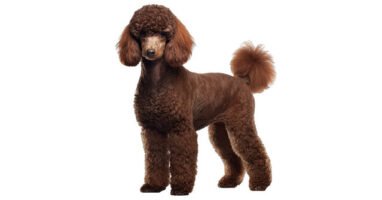
There is no single best shampoo for poodles, and any list that claims otherwise is mostly selling bottles. What actually works is the right match for your dog’s coat color, skin condition and age.
A white Toy with itchy skin, a black Standard puppy and a red Miniature in a long coat all need different things from a bath. This guide skips the brand hype and shows you how to choose by category and ingredient instead, which is how groomers actually think about it.
What a Poodle Coat Asks From a Shampoo
A poodle coat is dense, curly and always growing, and it traps dirt, pollen and product far more than a flat double coat does. Whatever goes in has to come fully back out, or it stays in the curls.
That is why rinsing matters more than the label on the bottle. Leftover shampoo dries into flakes, makes the coat look dull and leaves many dogs scratching for days, and owners consistently report that a longer rinse fixed problems they had blamed on the shampoo itself.
The coat also holds a surprising amount of water, so wetting and rinsing a Standard takes real time. Budget for it, and the rest of bath day gets easier. Our full routine is in the guide on how to groom a poodle at home.
The Five Shampoo Categories Worth Knowing
Gentle everyday shampoos
This is the default for a healthy adult poodle with no skin complaints. Look for a mild, soap free dog shampoo with light or no fragrance, usually priced around $8 to $18 a bottle.
Concentrates that you dilute before use are common in this group and work out cheaper per bath. One bottle often lasts a small poodle the better part of a year.
Whitening shampoos for white and light coats
Whitening shampoos carry a blue or violet tint, and the tint does the work. Blue and purple sit opposite yellow on the color wheel, so the pigment optically cancels the yellow, brassy cast that builds up on white and cream coats.
It is not bleach and it does not change the hair itself, which is why the effect fades between baths. Use one every second or third bath rather than every time, and rinse well, because overuse can leave a faint blue cast of its own. More on keeping light coats bright in our white poodle guide.
Oatmeal and soothing formulas
Colloidal oatmeal and aloe based shampoos are the usual pick for dry, mildly itchy or sensitive skin. They clean gently and leave the skin more comfortable than a standard formula does.
Be clear about the limit, though. A soothing shampoo can calm mild dryness, but it does not treat allergies, infections or parasites, and a dog itching week after week needs a vet visit, not a different bottle.
Puppy shampoos
Puppy formulas are extra mild and usually tearless, made for thin young skin and eyes that sting easily. Expect to pay around $8 to $15.
You only need a small amount, and young puppies need very few baths anyway. Warm water and a soft cloth handle most messes in the first few months.
Medicated shampoos
Medicated shampoos with ingredients like chlorhexidine or ketoconazole are treatment tools for yeast and bacterial skin problems. They belong in the routine only when a vet has actually looked at the skin.
Most need a contact time of 5 to 10 minutes on the coat to work at all, which owners often skip. If the problem keeps coming back, the answer is a proper diagnosis, because shampoo alone rarely fixes the underlying cause.
Ingredients: What to Look For, What to Skip
Start with the base. According to the AKC’s guide to washing dogs with soap, detergent based cleansers suit dog skin better than true soaps, which are alkaline and can disturb the skin’s protective surface.
pH is part of the reason why. Canine skin sits closer to neutral than human skin does, and products made for people are balanced for a more acidic surface. Choose a shampoo balanced for dogs instead, and the skin barrier stays calmer between baths.
Helpful extras include aloe vera, glycerin and vitamin E for moisture. Heavy perfumes are the most common irritant in cheap formulas, and very harsh sulfate cleansers can leave an already dry coat feeling like straw, so sensitive dogs do better with short, plain ingredient lists.
On human shampoo, the fair answer is that one emergency wash will not harm your dog. The ASPCA’s home grooming advice notes human products are not toxic to pets but can carry fragrances and additives that irritate dog skin, so keep them as a backup, not a routine.
How Often to Bathe, and the Wash Order That Works
Most pet poodles do well with a bath every 3 to 4 weeks, which lines up neatly with the grooming cycle. Show coats and very active dogs may be bathed weekly with a gentle formula, while over bathing with strong cleansers strips oils and dries the skin.
- Brush the coat out fully before any water touches it, since wet tangles tighten into mats. The right tools are covered in our guide to the best brushes for poodles.
- Wet the coat down to the skin with lukewarm water, working slowly through the dense curls.
- Dilute the shampoo in a squeeze bottle if it is a concentrate, which helps it spread evenly.
- Massage it in with your fingers rather than scrubbing, because rubbing tangles curls.
- Rinse until the water runs completely clear, then rinse once more for luck.
- Use conditioner only if the coat is long or dry, and rinse it out lightly.
- Squeeze water out by hand, towel dry, then finish with a dryer while brushing. Keep water out of the ears throughout, since trapped moisture is a common trigger behind poodle ear infections.
Three mistakes undo good shampoo more than any brand choice: bathing a tangled coat, rushing the rinse, and pouring cold water over a small dog. Fix those and most mid range shampoos perform well. The AKC’s shampoo selection guide makes the same point: match the formula to the coat, then get the technique right.
Watching a professional helps the order stick. In this demonstration, champion groomer Jitka Krizova bathes a young Miniature Poodle and shows the brush out, the double wash and the long rinse in real time.
Coat Color Notes Owners Ask About
Black coats show every flake of residue and dandruff, so the shine people want comes mostly from a clean, fully rinsed, conditioned coat. Dark coat enhancer shampoos exist, but the effect is subtle and temporary.
White and cream coats stain around the eyes, muzzle and feet. A whitening shampoo helps the coat itself, while tear staining needs its own daily wiping routine, since no shampoo washes a stain out of growing hair.
Red and apricot coats fade mainly because of genetics and sunlight, not washing. Color depositing products can deepen the tone for a short while, but no shampoo stops a coat that is genetically programmed to lighten.
Quick Picks by Dog Type
| Your poodle | Look for | Typical price |
|---|---|---|
| Healthy adult, any color | Gentle soap free everyday shampoo | $8 to $18 |
| White, cream or silver | Whitening shampoo every second or third bath | $10 to $20 |
| Puppy under six months | Tearless puppy formula | $8 to $15 |
| Dry or mildly itchy skin | Colloidal oatmeal or aloe formula | $10 to $17 |
| Black or dark brown | Everyday shampoo plus a light conditioner | $8 to $18 |
| Diagnosed yeast or bacterial issue | Medicated shampoo as your vet directs | $15 to $30 |
Frequently Asked Questions
Can I use my own shampoo on my poodle?
Once in an emergency, yes, and rinse it out very well. As a habit, no, because human shampoo is made for more acidic human skin and often carries stronger fragrance. A dog shampoo costs little and suits the coat better.
How often should I bathe my poodle?
Every 3 to 4 weeks suits most pet poodles. Dogs in full show coat or dogs that get muddy daily may need weekly baths with a gentle, diluted formula. If the skin turns dry or flaky, stretch the interval first.
Do whitening shampoos really work?
Yes, within limits. The blue or violet pigment neutralizes yellow tones on the hair surface, so the coat looks brighter straight after the bath. It does not remove stains that have set into the hair, and those have to grow or be trimmed out.
Why does my poodle itch after every bath?
The usual cause is residue left in the coat, followed by heavy fragrance or bathing too often. Rinse far longer than feels necessary and switch to a plain, unscented formula. Itching that continues between baths is a vet question, not a shampoo question.
Is baby shampoo okay for a poodle puppy?
It is mild, but it is still formulated for human skin pH and human hair. A tearless puppy shampoo is a better match and costs about the same. Whichever you use, keep it out of the eyes and rinse thoroughly.
Does my poodle need conditioner as well?
Short pet clips get by without it. Longer coats, dry coats and coats that tangle easily genuinely benefit, because conditioner makes brush outs faster and reduces breakage. Apply it after shampooing and rinse lightly rather than completely.


