Scroll through Sheepadoodle photos online and you will keep meeting the same dog: a fluffy black and white teddy bear with a patch over one eye, looking like it would enjoy nothing more than a gentle cuddle on the sofa. That dog exists, sometimes. What the photos leave out is the size, the noise, and the herding.
A Sheepadoodle is a cross between an Old English Sheepdog and a Poodle, and both parents are working dogs. Put them together and you usually get a big, boisterous, people-obsessed dog that bumps into your legs on purpose, carries your sleeve around in its mouth, and follows you from room to room to keep the flock accounted for. The short, honest version: this is one of the sweetest doodle crosses around, and also one of the most underestimated.
How Big Is a Sheepadoodle, Honestly?
Breeders advertise two main sizes. A standard Sheepadoodle, bred from a Standard Poodle, commonly finishes somewhere between 60 and 80 pounds, and big males from large sheepdog lines can push past 85. Expect roughly 22 to 27 inches at the shoulder, which puts the dog’s back at about your thigh.
A mini Sheepadoodle is produced by crossing down with a Miniature Poodle or by breeding smaller Sheepadoodles together. Realistic adult weight is 30 to 50 pounds. Minis are medium dogs, not handbag dogs, and anyone promising a guaranteed 15 pound adult from this cross is selling you a hope rather than a fact.
| Size | Typical adult weight | Height at shoulder | Full groom, typical cost |
|---|---|---|---|
| Standard | 60 to 80 lb, sometimes more | 22 to 27 inches | $90 to $150 or more |
| Mini | 30 to 50 lb | 16 to 20 inches | $70 to $110 |
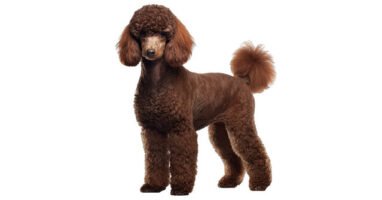
Puppies grow fast and unevenly, all legs and appetite for the first year. If you want a sense of where the top end comes from, read up on the Standard Poodle itself, or check the AKC’s Standard Poodle profile. It is a much more substantial dog than most people picture.
The Panda Coat Usually Fades
The black and white markings are the breed’s whole marketing image, and they are the least reliable part of it. Old English Sheepdogs carry a graying pattern, and most Sheepadoodles inherit it. Black patches that look sharp and panda-like at eight weeks typically soften to gray or silver by the dog’s second or third birthday.
Some dogs clear almost to white, while a few keep their dark markings. Coat texture varies just as much, from a loose wavy fleece to tight poodle curls, and two puppies in the same litter can end up looking like different breeds. If your heart is set on one exact look, an adult rescue is a surer bet than any puppy, because what you see is what you keep.
Temperament: The Clown Has a Herding Job to Do
Sheepadoodles are affectionate in a full-contact way. They lean on legs, sit on feet, and want a job that involves being near their people. Owners consistently describe them as clownish and eager, with a real talent for reading a room and showing off for it.
The herding inheritance is where new owners get surprised. Expect hip bumps to move you along, circling behavior when children run and squeal, and a puppy that greets the world with its mouth. Gentle mouthing of hands and sleeves is normal exploratory behavior in this cross, but there is nothing cute about it at 70 pounds if nobody taught the dog an alternative early.
Both parent breeds are also sensitive, as the AKC’s Old English Sheepdog profile notes in its own way when it describes a watchful, people-tuned dog. Heavy-handed corrections tend to shut a Sheepadoodle down or make it anxious rather than obedient. A bored one can slide into separation stress and invent its own entertainment, usually involving your skirting boards.
Exercise and the Teenage Phase
Plan on about 1.5 hours a day for an adult, split between walks, play, and training. A Sheepadoodle that only gets a stroll around the block will find the missing stimulation somewhere in your house. Sniff-heavy walks, fetch with rules, and short training games scattered through the day work better than one exhausting weekend hike.
The stretch from about 8 to 18 months is the real test. Energy peaks, mouthing comes back just when you thought it was finished, and a dog that recalled beautifully at five months develops selective hearing. This is the age when Sheepadoodles most often get rehomed, and it does pass, so budget your patience for it before the puppy arrives, not during.
Grooming: The Coat Is a Part Time Job
The coat is thick, dense, and influenced by the sheepdog’s double coat, so it mats quickly in the friction spots: behind the ears, in the armpits, under the collar, and where the harness sits. Brushing the surface is not enough. You need to get down to the skin with a slicker brush and check your work with a comb, several times a week.
Most owners keep a professional groom every 4 to 6 weeks, and large doodles sit at the top of most groomers’ price lists. Let the coat go too long between sessions and the only fix is a shave-down, which is nobody’s favorite surprise.
Shedding varies: many Sheepadoodles drop less hair than a pure sheepdog, some shed noticeably, and no breeder can honestly guarantee a non-shedding, hypoallergenic Sheepadoodle. No dog is truly hypoallergenic, whatever the advert says.
Health: What Can Come From Either Parent
Crossing two breeds does not cancel out their health problems, it combines the lists. A good breeder tests for the shared risks and shows you the paperwork, a point PetMD’s Sheepadoodle profile also makes when it runs through the cross’s known conditions.
Hip dysplasia sits at the top of the list, since both parents are large, fast-growing dogs. Ask for hip scores on both parents, OFA or PennHIP, rather than a verbal promise. Deep-chested standards also carry a risk of bloat, a twisted stomach that is a true emergency, so learn the signs early: pacing, drooling, and a swollen belly with unproductive retching means a vet right now, not in the morning.
From the poodle side, sebaceous adenitis is the one most buyers have never heard of. It is a skin condition that destroys the oil glands, causing scaling and hair loss, and it is managed rather than cured. Eye problems show up on both sides too, including cataracts and progressive retinal atrophy, which is why eye clearances on the parents matter, and our overview of common poodle health problems covers several of these in more depth.
One more, stated carefully: congenital deafness has been linked to heavy white pigmentation around the head and ears in sheepdog breeds. Puppies with mostly white heads deserve a BAER hearing test, and breeders who run one are showing their work. Standards typically live 10 to 13 years, minis a little longer, and the poodle mix lifespan picture explains why smaller crosses usually outlast bigger ones.
Training: Teach the Mouth and the Feet First
Sheepadoodles are bright and want to please, so training itself is rarely the problem. The problem is physics. Habits that are funny in a 12 pound puppy become a household issue in a 75 pound adult, so the rules start on day one.
- Mouths carry toys, not people. Keep a toy within reach, redirect every mouthy moment onto it, and make sure everyone in the house does the same. Consistency ends mouthing; scolding just makes it a game.
- Four feet on the floor gets the greeting. Turn away from jumping, reward the moment all paws land, and ask visitors to do the same. Sheepadoodles greet with their whole body weight.
- Build a settle. A mat or bed cue, rewarded heavily, gives a herding dog an off switch indoors and heads off the circling and pestering before it starts.
- Handle everything early. This dog will spend its life on grooming tables and vet scales. Short, treat-paired practice with paws, ears, brushing, and car rides as a puppy saves real stress later.
The most common mistake is letting puppy behavior slide because it is adorable, then trying to undo it at full size. Pick the adult rules now and hold them kindly. Puppy classes with experience of large, bouncy breeds are worth the money.
What a Sheepadoodle Really Costs
Typical purchase prices in the US run from $1,500 to $3,500, with mini litters and fashionable markings at the top of that range. Very cheap puppies in this cross usually mean skipped health testing, and the vet bills arrive later with interest.
Running costs are large-dog costs. Food for a 70 pound active dog, insurance, and routine vet care all scale with size, and grooming alone can pass $1,000 a year if you rely fully on a professional every month or so. Compare that honestly with smaller doodle crosses before deciding the big version is the one for you.
Who a Sheepadoodle Suits, and Who Should Pass
This cross suits active households with the time and budget for a big dog: people who work from home or have flexible schedules, who enjoy training, and who find a dog underfoot charming rather than annoying. Older children who can hold the no-jumping rules do well with them. The affection is real, and for the right home it is a joyful dog.
Pass if you want a low-maintenance coat, a calm apartment dog, or a guaranteed allergy-safe pet. Small flats with no outdoor access make the exercise math hard, as our guide to poodle mixes for apartments lays out. Pass, too, if nobody is home for most of the day and there is no walker or daycare in the budget, because a lonely Sheepadoodle is a loud, creative, and unhappy one.
For a smaller herding cross with the same energy, see the aussiedoodle complete guide.
Frequently Asked Questions
How big do Sheepadoodles get when fully grown?
Standards usually finish between 60 and 80 pounds and 22 to 27 inches tall, with some males going heavier. Minis typically land between 30 and 50 pounds. Most reach full height by about a year and keep filling out until 18 months or so.
Do Sheepadoodles shed a lot?
Most shed less than a pure Old English Sheepdog, but the amount varies a lot by coat type, and some individuals shed noticeably. There is no guarantee of a shed-free dog. Regular brushing to the skin also keeps loose hair out of the coat before it mats.
Are Sheepadoodles good with children?
They are generally affectionate and patient with kids, which is a big part of their appeal. The catch is herding behavior: bumping, circling, and mouthing during exciting play. Supervise, teach children not to run and squeal around a young dog, and train the dog early.
How much exercise does a Sheepadoodle need each day?
Around 1.5 hours for a healthy adult, split between walks, play, and training. Puppies need much less in one go, built up gradually to protect growing joints. Mental work counts: training games and sniffing tire this cross out faster than plain distance does.
Are Sheepadoodles easy to train?
They are intelligent and eager, so they pick things up quickly. The hard parts are channeling mouthing, jumping, and herding instincts, especially through adolescence. Short, positive, consistent sessions work far better than repetition or raised voices.
How long do Sheepadoodles live?
Standards commonly live 10 to 13 years, and minis often a year or two longer. Health-tested parents, sensible weight, and good dental care give a Sheepadoodle its best shot at the top of that range. No breeder can promise a number, only better odds.