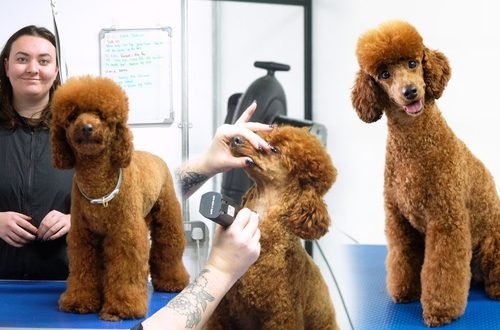
Dreaming of a canine companion with a coat like a sunrise and a personality to match? The apricot poodle, a stunning variation of the intelligent and elegant poodle breed, captures hearts with its unique coloring and charming demeanor. These dogs aren’t just beautiful; they are incredibly smart, highly trainable, and devoted family members, making them a popular choice for discerning pet owners. This comprehensive guide delves into every aspect of owning and caring for an apricot poodle, ensuring you’re fully prepared to welcome this golden gem into your home.
What Makes the Apricot Poodle So Special?
The allure of the apricot poodle extends far beyond its eye-catching coat. These dogs embody the quintessential poodle traits of intelligence and grace, wrapped in a warm, inviting hue. Their distinct appearance combined with their engaging personality creates a truly unique companion experience.

The Distinctive Apricot Coat
The apricot color is a specific shade of cream or red, often described as a pale golden orange. This beautiful color can range from a light creamy apricot to a deeper, more vibrant hue. Unlike some other poodle colors, apricot coats often mature and can lighten or darken slightly over time, adding to their unique charm. The depth of color is a key characteristic that breeders strive to maintain.
Temperament and Personality Traits
Apricot poodles share the highly intelligent, eager-to-please, and often playful temperament of all poodles. They are known for their quick wit and ability to learn complex commands and tricks with ease. Furthermore, these dogs form strong bonds with their families, often displaying a loyal and affectionate nature. Their active minds mean they thrive on mental stimulation and engagement.
Poodle Sizes: Toy, Miniature, and Standard Apricots
Apricot poodles come in all three recognized sizes: Toy, Miniature, and Standard. Each size offers the same beloved temperament but fits different lifestyles and living situations. Toy Poodles are the smallest, weighing 4-6 pounds, while Miniature Poodles typically range from 10-15 pounds. Standard Poodles are the largest, often exceeding 40 pounds, requiring more space and exercise.
History and Origins of the Apricot Color
The poodle breed itself boasts a rich history, believed to have originated in Germany as a water retriever before being refined in France. The apricot color, however, is a more recent development in the breed’s long lineage.
The Poodle’s Ancient Roots
Poodles were originally bred for hunting waterfowl, hence their strong swimming abilities and dense, curly coats. Their name likely derives from the German word “Pudel,” meaning “to splash in water.” Over centuries, they evolved from working dogs to sophisticated companions, beloved by European royalty and nobility. This historical versatility underscores their adaptability and intelligence.
Breeding for Specific Colors
While black, white, and brown were the original poodle colors, selective breeding gradually introduced a wider palette. The apricot color emerged through careful breeding programs, likely involving dogs with genes for lighter shades. Dedicated breeders worked to stabilize and enhance the apricot hue, ensuring its consistency and vibrancy across generations. This meticulous process ensures the distinct apricot shade we see today.
Bringing Home Your Apricot Poodle Puppy
The excitement of welcoming a new apricot poodle puppy is undeniable. However, responsible ownership begins long before the puppy arrives, starting with careful selection and preparation. This initial stage sets the foundation for a happy, healthy life together.
Choosing a Reputable Breeder
Selecting a reputable breeder is paramount for ensuring a healthy, well-socialized puppy. Look for breeders who prioritize the health and temperament of their dogs, conduct genetic testing for common poodle ailments, and offer clear health guarantees. They should also be transparent about their breeding practices and allow you to meet the puppy’s parents. The American Kennel Club (AKC) provides valuable resources for finding responsible breeders and understanding breed standards.
Essential Puppy Supplies
Before your puppy arrives, gather all necessary supplies. This includes a comfortable crate, food and water bowls, a high-quality puppy food, appropriate toys for chewing and mental stimulation, a leash and collar, and grooming tools. Having these items ready will help ease your puppy’s transition into their new home. A well-prepared environment reduces stress for both the puppy and you.
Early Socialization and Training
Early socialization is critical for an apricot poodle puppy. Expose them to a variety of sights, sounds, people, and other vaccinated dogs in a controlled, positive manner. Puppy classes are an excellent way to combine socialization with basic obedience training. Consistent, positive reinforcement training from a young age will help shape a well-behaved and confident adult dog.
Daily Care and Maintenance for Apricot Poodles
Caring for an apricot poodle involves consistent attention to their unique grooming needs, dietary requirements, and exercise routines. Their well-being depends on a holistic approach to their daily care.
Grooming Your Poodle’s Beautiful Coat
The poodle’s curly, non-shedding coat requires regular professional grooming every 4-6 weeks to prevent matting and maintain its health. Between professional appointments, daily brushing at home is essential to remove loose hair and tangles. Furthermore, regular ear cleaning, nail trimming, and dental care are vital components of their overall grooming regimen. Neglecting grooming can lead to discomfort and health issues.
Also Read: Best Poodle Mixes for Apartment Living
Nutritional Needs and Diet
A high-quality, balanced diet is crucial for your apricot poodle’s health and energy levels. Choose a premium dog food appropriate for their age, size, and activity level. Consult your veterinarian for specific dietary recommendations, especially if your poodle has any allergies or health conditions. Fresh water should always be available, and treats should be given in moderation.
Exercise Requirements for Mental and Physical Health
Poodles are active and intelligent dogs that require regular exercise to stay physically fit and mentally stimulated. Daily walks, playtime in a secure yard, and engaging activities like fetch or agility training are highly beneficial. Standard Poodles will naturally require more exercise than Toy or Miniature varieties. Adequate exercise prevents boredom and destructive behaviors.
Common Health Concerns in Apricot Poodles
Like all purebred dogs, apricot poodles can be prone to certain genetic health conditions. Awareness and proactive care are key to managing these potential issues. Regular veterinary check-ups are an indispensable part of their health management.
Genetic Predispositions
Poodles, regardless of color, can be predisposed to conditions such as hip dysplasia, progressive retinal atrophy (PRA), Von Willebrand’s disease (a bleeding disorder), and Addison’s disease. Responsible breeders screen their breeding stock for these conditions to minimize their occurrence. Therefore, always inquire about health clearances for the puppy’s parents.
Preventive Care and Regular Vet Visits
Regular veterinary check-ups, typically annually for adult dogs and more frequently for puppies and seniors, are essential. These visits allow for vaccinations, parasite prevention, and early detection of potential health problems. Maintaining a healthy weight and providing a nutritious diet also contribute significantly to your poodle’s long-term well-being. The American Veterinary Medical Association (AVMA) offers comprehensive guidelines on preventive pet care.
Training and Behavior: Nurturing an Intelligent Companion
The apricot poodle’s intelligence makes them highly trainable, but consistency and appropriate methods are crucial. Channeling their smarts into positive behaviors creates a well-adjusted and joyful companion.
Positive Reinforcement Techniques
Poodles respond exceptionally well to positive reinforcement methods. Use treats, praise, and toys to reward desired behaviors, making training a fun and rewarding experience for both of you. Avoid harsh corrections, as these can damage your bond and make your poodle fearful or resistant. Short, frequent training sessions are often more effective than long, drawn-out ones.
Addressing Common Poodle Behaviors
While generally well-behaved, poodles can develop certain habits if not properly managed. These may include excessive barking, separation anxiety, or leash pulling. Addressing these behaviors early with consistent training, mental stimulation, and sometimes professional guidance can prevent them from becoming entrenched issues. Their intelligence means they learn quickly, both good and bad habits.
Living with an Apricot Poodle: A Family Member
An apricot poodle integrates seamlessly into family life, becoming a cherished member rather than just a pet. Their adaptable nature and affectionate personality make them wonderful companions for various households.
Their Role in the Family Dynamic
Apricot poodles thrive on interaction and being part of family activities. They are typically good with children and other pets, provided they are properly socialized. Their desire to please and their playful spirit make them engaging companions for all ages. Consequently, they often become the heart of the home, offering endless love and entertainment.
Traveling with Your Poodle
Due to their adaptability and relatively compact size (especially Toy and Miniature), apricot poodles often make excellent travel companions. Whether it’s a car trip or flying, proper preparation, including a comfortable carrier and necessary documentation, ensures a smooth journey. Always research pet policies for accommodations and transportation in advance.
Are apricot poodles rare?
While not as common as black or white poodles, apricot poodles are not considered exceptionally rare. They are a recognized color variation within the breed standard and are available from reputable breeders, though you might need to wait for a litter.
Do apricot poodles shed a lot?
No, poodles, including apricot poodles, are known for being very low-shedding dogs. Their curly coat traps loose hair, which is why regular grooming and brushing are essential to prevent matting. This characteristic makes them a popular choice for individuals with allergies.
What is the difference between an apricot and red poodle?
Apricot poodles have a lighter, paler golden-orange hue, often described as the color of a ripe apricot. Red poodles, by contrast, possess a much deeper, richer, and more vibrant reddish-brown color. Both colors are distinct and recognized within the poodle breed standard, though sometimes a very deep apricot can be mistaken for a light red, and vice versa.
Are apricot poodles good family dogs?
Yes, apricot poodles are generally excellent family dogs. They are intelligent, affectionate, and loyal, thriving on interaction with their human companions. With proper socialization and training, they typically get along well with children and other pets, making them adaptable and loving additions to most households.
How long do apricot poodles live?
The lifespan of an apricot poodle varies slightly by size, but generally, poodles are a long-lived breed. Toy and Miniature Poodles typically live 12-15 years, while Standard Poodles usually live 10-12 years. Proper nutrition, regular exercise, and consistent veterinary care contribute significantly to their longevity.
Embracing the Joy of an Apricot Poodle
The apricot poodle is truly a magnificent canine, combining stunning looks with an exceptional intellect and a loving heart. This comprehensive guide has explored the unique characteristics, care requirements, and joy of living with these remarkable dogs. From their distinctive coats to their playful personalities, apricot poodles offer a rewarding companionship experience for individuals and families alike. By understanding their needs and committing to responsible ownership, you can ensure a long, happy, and healthy life for your apricot-colored friend. Ultimately, welcoming an apricot poodle into your home means gaining not just a pet, but a devoted and intelligent family member who will brighten your days with their golden charm.