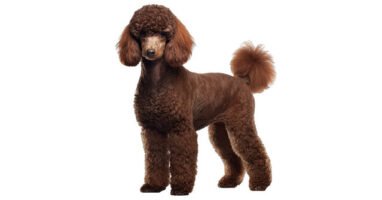
The Yorkipoo looks like it was designed for apartment living. It is small enough for a studio lift, light enough to carry in one arm, and happiest within a few feet of its person. On paper, it is the easiest city dog imaginable.
The catch is the combination inside that small body. A Yorkipoo has a terrier’s voice and opinions packed into a frame that can weigh less than a house cat, and owners who plan for both halves do well. Those who buy only the cute half get surprised.
This guide covers the size swing, the barking reality, handling rules for a fragile small dog, coat and grooming, health risks from both parents, and the real costs. If apartment suitability is your main question, the wider roundup of best poodle mixes for apartments shows how the Yorkipoo compares with the other small crosses.
What a Yorkipoo Actually Is
A Yorkipoo is a cross between a Yorkshire Terrier and a Poodle, usually a Toy Poodle and sometimes a Miniature. Most are first generation, one purebred parent of each breed, though some breeders produce second generation litters from two Yorkipoo parents.
That parent choice is why quoted sizes swing from 4 to 15 pounds. A Yorkshire Terrier typically weighs 4 to 7 pounds and a Toy Poodle 4 to 6, so a Toy cross usually lands between 4 and 10 pounds. Swap in a Miniature Poodle parent at 10 to 15 pounds and puppies can finish noticeably bigger.
Adult size is a prediction, never a promise. Ask which Poodle variety was used and the parents’ actual weights, not the heights in a listing, and treat any breeder guaranteeing a tiny adult weight with suspicion. The AKC Yorkshire Terrier profile and the AKC Toy Poodle profile give the parent baselines worth comparing against.
Temperament: Terrier Sparkle, Velcro Habits
Yorkipoos are confident, quick, and very people focused. The Yorkie side brings the sparkle: these dogs notice everything and carry themselves like dogs three times their size. The Poodle side adds fast learning and a clownish streak owners find easy to live with.
Now the part listings underplay: Yorkipoos bark, and they bark with commitment. Door buzzers, hallway footsteps, a squirrel with ambitions: all get announced. In a thin walled flat, bark management is not an optional extra, it is a core part of owning this mix.
They also attach hard, following their person from room to room, and can turn vocal or destructive when left alone for long stretches, so city workers with ten hour absences should think carefully. The guard dog confidence is pure terrier, and the site guide to the terrier poodle mix family explains where that streak comes from.
A Bold Dog in a Breakable Body
Here is the tension that defines this mix: the personality says fearless, the skeleton says fragile. Small bones, fine legs, and a tiny trachea mean the handling rules matter more here than with almost any other poodle cross.
The single most useful habit is simple: never let a Yorkipoo jump down from sofas, beds, or car seats. Use ramps or pet stairs, and lift with two hands, one supporting the chest and one under the rear, so a wriggle never becomes a fall from someone’s arms.
The tiniest puppies carry one more risk. Very small Yorkipoo puppies can be prone to low blood sugar, known as hypoglycemia, especially if they skip meals or get chilled or stressed. Owners consistently report that regular small meals and a vet call at the first sign of wobbliness, trembling, or unusual sleepiness is the safe approach for pups under about three pounds.
Children need rules, not warnings shouted across the room:
- No picking the dog up or carrying it while walking. Kids sit on the floor, let the Yorkipoo come to them, and leave all lifting to adults, because a dropped two pound dog is a vet emergency.
- Games stay on the ground: rolling a ball beats wrestling or chasing.
- An adult handles all lifting onto furniture, stairs, and into cars.
The Coat: Silk, Curls, or Something in Between
Yorkie hair and Poodle coat pull in opposite directions, and puppies land anywhere along the line between them. Some Yorkipoos grow the long, silky, nearly straight hair of the terrier side. Others get a soft wave or a proper poodle curl, and many sit in the middle with a fluffy coat that changes texture as the adult coat comes in around eight to twelve months.
Either way, expect real upkeep. A quick brush through several times a week keeps the friction zones (behind the ears, under the collar, the armpits) from felting into mats. Most owners book a professional groom every four to six weeks and keep the face trimmed short so hair stays out of the eyes.
Shedding is usually light, which is why the mix gets marketed to allergy sufferers. Be clear eyed about that claim: no dog is truly hypoallergenic, dander varies by individual dog, so spend time with the specific puppy, ideally more than one visit, before assuming your allergies will cooperate. The grooming rhythm is similar to that of the Maltipoo, the other tiny mix owners most often compare this one with.
Exercise: Less Than People Fear
A Yorkipoo does not need a working breed’s exercise programme. Most adults do well on roughly 30 to 45 minutes of activity a day, split between a couple of short walks and indoor play. Fetch down a hallway and a few rounds with a tug toy count properly at this size.
What they do need is variety and company. A bored Yorkipoo does not usually chew the skirting boards; it barks, pesters, and invents surveillance duties at the window. Short training games and sniffy, unhurried walks burn off more restlessness than one long march.
One caution on stairs: repeated climbing is hard on small knees, and this mix carries a predisposition to slipping kneecaps, covered below. Carry tiny dogs up long flights where you can, and keep jump heavy games off the daily menu.
Health: What Comes Down Each Line
Yorkipoos commonly live 12 to 15 years, sometimes longer, but both parent breeds pass on conditions a buyer should know about, and none of them are certainties. They are predispositions, and good breeders screen for the ones that can be screened.
Luxating patella is the headline issue: the kneecap slides out of its groove, causing a skipping hop in the back leg. It ranges from an occasional skip, monitored at checkups, to cases needing surgery. Tracheal collapse is the other classic small dog problem, a weakening of the windpipe that produces a honking cough; a harness instead of a neck collar is the standard precaution.
Tiny jaws create dental trouble. Yorkipoos often carry crowded teeth, retained baby teeth, and fast tartar buildup, so dental care starts early and professional cleaning is a recurring cost, not a rare event. The site’s poodle dental care guide covers the home routine in detail.
Two further risks deserve a careful mention. Portosystemic shunt, often called a liver shunt, appears in Yorkshire Terrier lines more than most breeds; it is a blood vessel problem that typically shows in young puppies with poor growth and odd behaviour after meals, and a responsible breeder will discuss it openly. Legg-Calve-Perthes disease, a hip joint problem of small breeds, shows up in both parent breeds and typically presents as hind leg lameness in the first year.
Questions worth asking any breeder: are both parents’ knees graded, are the Poodle parent’s eyes tested, and has liver shunt appeared anywhere in the Yorkie line? The ASPCA dog care resources are a sensible starting point for small dog health basics.
Training: Small Bladder, Big Voice
House training is where Yorkipoo owners earn their patience badge, because a three pound puppy has a tiny bladder and needs far more toilet trips than a bigger puppy: on waking, after meals, after play, after naps, and at least once overnight in the early weeks. Most get there by five to seven months, slower than larger mixes, and it is plumbing, not stubbornness. In a high rise, puppy pads can bridge the gap, but decide early whether they are a temporary tool or a permanent indoor toilet, because half and half confuses a small dog.
Bark management starts the day the puppy comes home. Reward the quiet after an alert bark, teach a settled cue on a mat, and avoid picking the dog up to hush it, which pays the noise with the attention it wanted. Keep sessions short and reward based; both parent breeds respond badly to heavy handed corrections, and the terrier half will simply argue back.
Common mistakes to skip: carrying the dog everywhere so it never builds confidence on its own feet, skipping socialization because the dog looks delicate, and letting cute puppy habits like demanding and barking at passersby harden into adult ones.
Lifespan and the Real Cost
Purchase prices for a Yorkipoo puppy from a breeder run from $1,000 to $3,500, with colour fads and very small size pushing listings higher. Paying more does not buy health; health testing does, so budget beyond the purchase price from the start.
- Grooming every four to six weeks: roughly $50 to $90 a visit, or a home clipper setup and your own time.
- Dental: daily brushing is near free, but professional cleans under anaesthetic commonly run several hundred dollars, and small mouths often need them more often.
- Routine vet care: vaccinations, parasite control, and an annual exam, with insurance for a tiny dog typically $25 to $50 a month if you choose it.
- Accessories that are not optional at this size: a well fitted harness, ramps or stairs for the sofa and bed, and warm layers for cold weather walks.
Spread over a 12 to 15 year life, a Yorkipoo is not a cheap dog per pound. It is, however, a manageable one for flat dwellers who go in with open eyes.
Frequently Asked Questions
How big does a Yorkipoo get full grown?
Most finish between 4 and 15 pounds, with the final size driven mainly by the Poodle parent. A Toy Poodle cross usually lands under 10 pounds, while a Miniature Poodle parent can push puppies toward the top of the range. Ask for both parents’ weights before paying a deposit.
Do Yorkipoos bark a lot?
Yes. By small dog standards they are vocal, inheriting a terrier watchdog streak that makes them announce visitors and hallway noise. Early training that rewards quiet settling keeps it manageable, but it rarely disappears completely.
Are Yorkipoos hypoallergenic?
No dog is truly hypoallergenic, including this one. Yorkipoos shed lightly and many allergy sufferers cope well with them, but dander levels vary by individual dog. Visit more than once and spend real time handling the puppy before committing.
Are Yorkipoos good with children?
They suit older, calm children who can follow floor level handling rules. The dogs themselves are usually friendly, but their small bones make them a poor match for toddlers who grab, carry, and fall. For families with children under six, a larger and sturdier mix is usually the safer choice.
How long do Yorkipoos live?
Typically 12 to 15 years, and healthy individuals sometimes reach 16 or beyond. Weight control, dental care, and knee friendly habits influence whether a dog reaches the long end of that range.