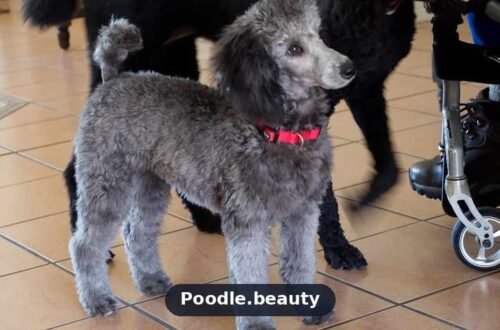
Poodles are famous as the breed for people with allergies. The irony is that poodles themselves are among the more allergy prone breeds, especially where skin and ears are concerned.
An allergy is an immune system overreaction to something normally harmless, like pollen, dust mites, or a protein in food. In dogs the reaction lands mostly on the skin rather than the nose, so the classic picture is an itchy poodle, not a sneezing one.
There is no cure, and anyone who promises you one is selling something. What does exist is proper diagnosis and steady management, and most allergic poodles stay comfortable once the trigger is understood.
The Three Kinds of Allergies Poodles Get
Vets group canine allergies into a few broad types, and a poodle can have more than one at the same time. That overlap is why guesswork fails so often.
Environmental allergies (atopy)
This is the most common type by a wide margin. The immune system reacts to pollens, dust mites, mold spores, or dander that the dog breathes in or absorbs through the skin.
Cornell’s veterinary college explains that atopic dogs often have a defective skin barrier, which lets allergens in and moisture out. Atopy usually shows up in young adults, often between six months and three years of age, and VCA Animal Hospitals lists poodles and poodle crosses among the predisposed breeds.
Early on it may flare only during pollen season. Over time it often becomes a year round problem as the dog also sensitizes to indoor allergens like dust mites.
Food allergies
A true food allergy is an immune reaction to a specific ingredient, almost always a protein. Beef, dairy, and chicken are the most frequently reported triggers in dogs, not grains.
True food allergies are less common than environmental ones, and they are not the same as a food intolerance. An intolerance is a digestive problem, like the dog that gets loose stools on rich food, with no immune involvement and usually no itching.
That distinction matters, because the testing and the fix are completely different. Food allergy signs also tend to run all year, sometimes with ear trouble or stomach upsets alongside the itch.
Flea allergy and contact reactions
A flea allergic dog reacts to proteins in flea saliva, so a single bite can set off days of intense itching. The pattern is distinctive: chewing, redness, and hair loss around the tail base, rump, and back legs.
Contact reactions happen where the skin touches the trigger, such as certain shampoos, laundry detergents, wool bedding, or lawn chemicals. Expect redness on the belly, chin, chest, and paws rather than whole body itching, and removing the trigger usually settles it.
Where It Shows Up: A Symptom Map
Allergy signs follow a fairly predictable map. Checking these areas in order gives you and your vet a clearer story than a general report of itchiness.
Ears
Recurring ear trouble is often the first sign, and sometimes the only one. Head shaking, scratching at the ears, a yeasty smell, and brown waxy discharge all point that way.
The usual culprit in those ears is a yeast called Malassezia. It lives on healthy skin in small numbers, but in an allergic ear it multiplies, so the infection keeps coming back until the allergy underneath is treated. A vet confirms it by looking at ear discharge under a microscope, and treatment is usually antifungal drops in the ear, sometimes with oral antifungals as well, alongside treating the allergy itself. The VCA yeast dermatitis guide explains the condition in full.
In many poodles the root cause is allergies rather than dirt or bad luck. Our guide to poodle ear infections covers the signs, treatment, and prevention in detail.
Paws
Paw licking and chewing is the classic atopy signal. On white and cream poodles you will often see reddish brown saliva staining between the toes, and the skin there can look pink, damp, and sore.
Belly, armpits, and groin
These areas have thin skin and sparse hair, so allergens reach the skin easily. Look for redness, a bumpy rash, and, in dogs that have been itching for months, skin that gradually darkens and thickens.
Eyes and face
Watery eyes, face rubbing along the carpet, and muzzle scratching are all common. Heavy sneezing and a runny nose, the human hay fever pattern, are much less typical in dogs.
The Itch, Scratch, Infection Cycle
Untreated allergies rarely stay simple. Itching makes the dog scratch and chew, which breaks down a skin barrier that was already weak.
Bacteria and yeast that normally live quietly on the skin then multiply in the damaged, inflamed areas. That secondary infection itches even more, so the dog scratches harder, and the loop tightens.
This is why a course of ear drops or antibiotics often seems to work, then everything returns within a few weeks. The infection was treated, but the allergy driving it was not. Lasting progress means working on both halves of the problem.
In the PetMD video below, veterinarians Jess Stroble and Benjamin Carter cover the main causes of allergies in dogs and the signs that point to a genuine allergy problem.
How Vets Actually Diagnose Allergies
There is no single blood draw or scan that announces the answer. Diagnosis is detective work built on history, the pattern of signs, the age they started, and ruling out lookalikes such as mites, ringworm, and plain skin infection, as PetMD’s overview of dog skin allergies lays out.
The elimination diet, done properly
If food is suspected, the elimination diet is the only dependable way to confirm a food allergy. Skin and blood tests cannot do this job, whatever the packaging claims.
The trial runs a full eight to twelve weeks on a prescription hydrolyzed diet or a single novel protein your dog has genuinely never eaten. During that time nothing else passes the lips: no treats, no table scraps, no flavored chewable medicines, no dental chews.
Afterwards the old food is deliberately reintroduced. If signs flare and then settle again back on the trial diet, you have your answer, and our guide to the best dog food for poodles can help with what comes next. A two week swap to a different shop brand, by contrast, tells you almost nothing.
Allergy testing, honestly
For environmental allergies, intradermal testing by a veterinary dermatologist is considered the reference standard. Tiny amounts of allergens are injected into the skin and the reactions measured, mainly so an immunotherapy plan can be built from the results.
Blood IgE panels are easier to run, but their accuracy is inconsistent and results vary between laboratories. Hair and saliva tests sold directly to owners have performed badly, in some cases reacting to samples that were not from a dog at all, and most vets advise against spending money on them.
Management That Actually Helps
No single product does the whole job, but several modest habits stacked together usually keep a poodle comfortable.
Bathing and coat care
Regular bathing physically washes pollen and dander off the coat and skin. Many dermatologists suggest weekly baths for allergic dogs, using a gentle or vet recommended medicated shampoo left in contact with the skin for about ten minutes before rinsing.
Between baths, a quick paw and belly wipe with a damp cloth after walks cuts the allergen load more than most owners expect. Our guide on how to groom a poodle at home covers bathing and drying technique that will not irritate sore skin further.
Flea control without gaps
Every dog and cat in the household stays on year round, vet recommended flea prevention, with no missed months. For a flea allergic poodle, a short gap can undo months of careful progress.
Food, once the trigger is known
If a food trigger was confirmed by a proper trial, strict avoidance is the treatment, and it works well. Omega 3 fatty acids from fish oil are a reasonable supporting step for the skin barrier, but they support a plan rather than replace one.
Prescription options your vet may discuss
When home care is not enough, vets have real tools: modern anti itch tablets that block the itch signal, a monoclonal antibody injection that can calm itching for four to eight weeks, short steroid courses for severe flares, and immune modulating medicines for long term control. Which one fits depends on the dog, and all of them are prescription decisions for your vet, not products to source or dose yourself.
Two of those tools have names worth knowing. Apoquel is oclacitinib, a tablet that blocks the itch signal, and Cytopoint is lokivetmab, the monoclonal antibody injection. Both are prescription only, so discuss them with your vet and do not self-prescribe, and oclacitinib needs bloodwork monitoring on long-term use. The VCA oclacitinib guide and the VCA lokivetmab guide set out how each one works.
Immunotherapy, the shots or oral drops built from your dog’s own test results, is the one option that targets the disease rather than the symptoms. It is slow, often six to twelve months before the benefit shows, and it does not help every dog, but for the right dog it cuts medication needs for years.
What Does Not Work
“Just switch to grain free.” This is the most common first move and usually the wrong one, because grains are rare allergens in dogs while proteins do most of the damage. Grain free diets have also been investigated by the FDA over a possible link to dilated cardiomyopathy, a serious heart condition, another reason not to change diets on a hunch.
“Coconut oil will cure it.” There is no evidence behind coconut oil as an allergy treatment. At best it leaves a greasy coat the dog licks off, adding calories and sometimes an upset stomach, while the real trigger keeps working.
“A vinegar rinse or home soak will sort the skin.” Apple cider vinegar and similar pantry remedies sting broken skin and quietly delay the vet visit that would actually help. A poodle with open sores needs treatment, not an experiment.
“Keep swapping proteins until something helps.” Rotating through chicken, then salmon, then venison on guesswork backfires. Every protein you feed casually is one fewer genuinely novel option available when a proper elimination trial needs an ingredient your dog has never eaten.
“Human allergy pills will fix the itch.” Antihistamines help only a minority of allergic dogs, and they tend to cause drowsiness rather than relief. If your vet suggests one, use it exactly as directed.
See the Vet Promptly If
- The skin is broken, oozing, or hot spots are spreading
- The ears smell strong, or your dog yelps, tilts its head, or shakes it constantly
- The itching is bad enough to disturb sleep, the dog’s or yours
- Patches of hair are falling out, or skin is thickening and turning dark
- Vomiting or diarrhea arrives alongside the skin signs
- The face or lips swell, or breathing looks difficult: treat that as an emergency
- Signs keep returning despite consistent home care
An allergic poodle is not a tragedy. Allergy care simply becomes part of the routine, like grooming, and owners who learn it early usually keep their dogs comfortable rather than itchy.
Frequently Asked Questions
What are poodles most commonly allergic to?
Environmental allergens top the list: pollens, dust mites, and mold spores. Flea saliva comes next, and true food allergies, usually to beef, dairy, or chicken, are the least common of the three.
How can I tell a food allergy from a food intolerance?
A food allergy involves the immune system and typically causes itching, ear problems, and sometimes stomach signs, all year round. An intolerance is a digestive issue only, like loose stools after rich food, with no itch attached.
Can allergies explain my poodle’s repeated ear infections?
Very often, yes. Recurring ear infections are one of the most common outward signs of an underlying allergy in poodles, which is why vets start asking allergy questions when ears flare for the third or fourth time.
Will my poodle outgrow its allergies?
Almost certainly not. Allergies are lifelong sensitivities, and environmental allergies often widen slightly with age, so the goal is good control rather than a cure.
My poodle is supposed to be hypoallergenic, so why is he itching?
The word describes how much dander a breed sheds into a home, which matters for allergic people, and even then no dog is truly hypoallergenic. Our guide on whether poodles are hypoallergenic explains the difference, and it says nothing about the dog’s own immune system: poodles can be highly allergic themselves.
How long does an elimination diet take to work?
Plan on eight to twelve weeks of strict feeding before judging it, because skin inflammation settles slowly. Most owners who see improvement notice it in the second half of the trial, not the first fortnight.